

Porsche Mission S: A Porsche is a Porsche is a Porsche
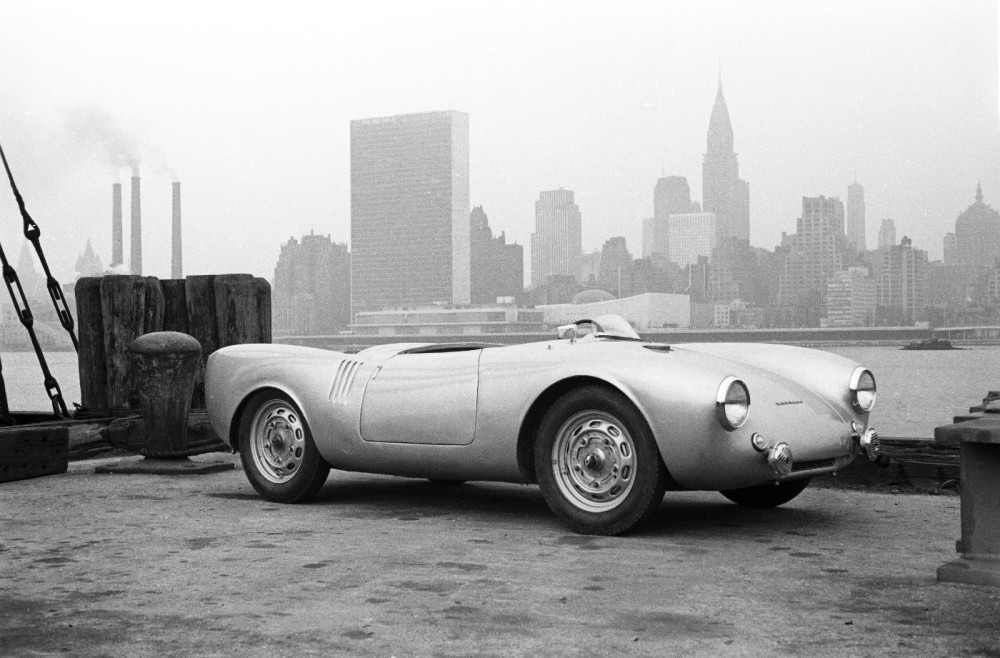
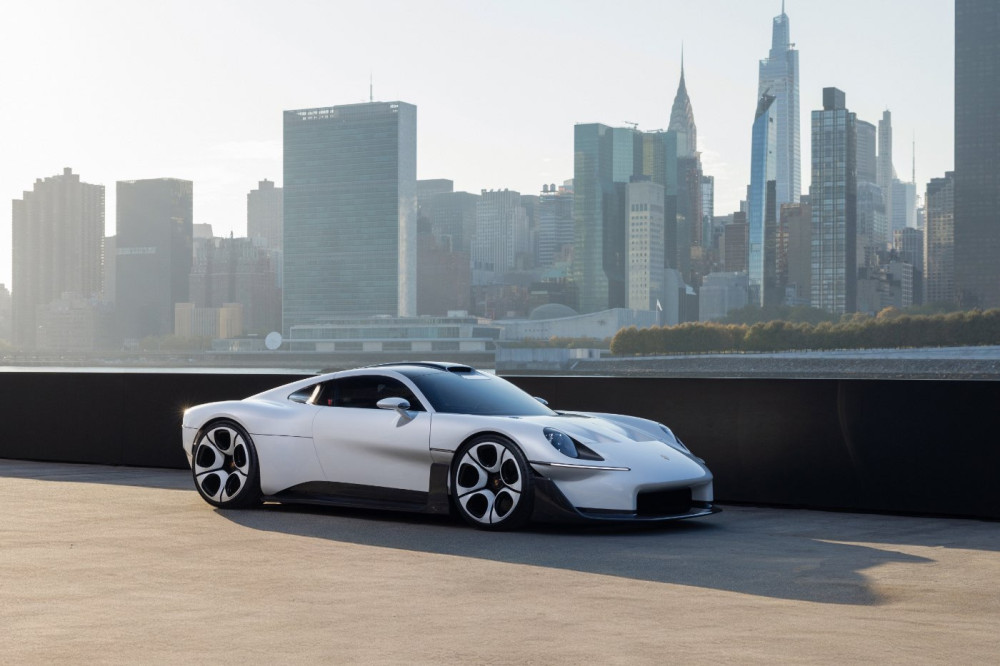
Taking stock: European automotive design has been setting the pace again for some time now. With the Concept C and the Nuvolari, Audi is defining a new avant-garde. Our French neighbours are bringing one crowd-pleaser after another onto the road. The new Alpine and the Alfa Romeo unveiled in Paris are setting hearts racing. Things are moving forward. And now Porsche: Sportwagenschmiede 35. New York was chosen as the setting for the presentation of the Porsche Mission S. More precisely, a pier in Queens, overlooking the Manhattan skyline. A place steeped in history, where the Porsche 550 Spyder first arrived on American soil back in 1953.
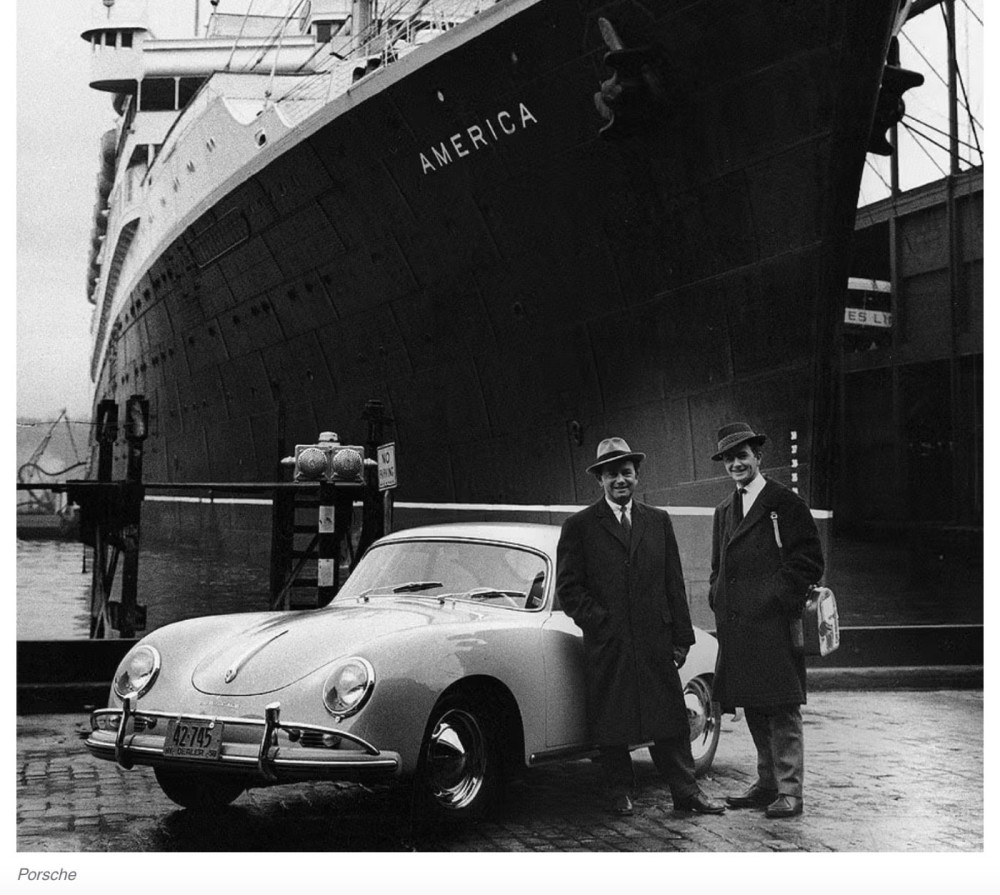
Porsche has enjoyed a close relationship with the United States since the 1950s. We have Max Hoffman, an exceptionally gifted dealer and passionate Porsche enthusiast, to thank for several extraordinary models – among them the 356 Speedster and the 356 Continental. The Porsche Club of America is the largest Porsche club in the world. Rennsport Reunion has become a place of pilgrimage, the legendary Luftgekühlt gatherings were born on the West Coast, and every true Porsche aficionado knows the R Gruppe. The bond between Porsche and America is far more than a successful business relationship. It is part of the brand's history and culture. Authentic, consistent and timeless. These three principles form the strategic framework for the evolution of Porsche's iconic design identity. “The Mission S is the result of a forward-looking, holistic design strategy,” says Tobias Sühlmann, Head of Style Porsche. “The concept car demonstrates a fundamental strategic direction that we will soon translate into our future product portfolio.”
Tobias Sühlmann is only the fifth chief designer in Porsche's history. With his near-production concept, he carefully builds on what his predecessors have left behind. And that is an immense legacy. After all, we are talking about cars that everyone knows and loves. F. A. Porsche laid the foundations in the 1960s with the 911. Revolutionary at the time, an icon today. Every child can trace the silhouette of a 911 in the sand with a finger. His holistic approach to design influenced not only the automotive world but also the wider world of consumer products. The design teams under Anatole Lapine created the G-Series and the 928. Harm Lagaay was responsible for, among others, the 964, 996 and 997, the transaxle models, the Boxster, the Cayenne, as well as the Carrera GT under the design leadership of Grant Larson and the GT1 with Tony Hatter. Michael Mauer continued this story with the 991 and 992, the Macan, Panamera Taycan, the Porsche Unseen models and 918 Spyder.
With the Mission S, the gap between the Porsche Turbo and supercars such as the Carrera GT and 918 Spyder is finally being closed. Porsche customers have been asking themselves for decades why the brand hadn't taken this step long ago. There have been repeated attempts over the past ten years. But apparently, it took the arrival of Michael Leiters. With experience at McLaren and Ferrari, among others, he understands the significance of this very special segment.
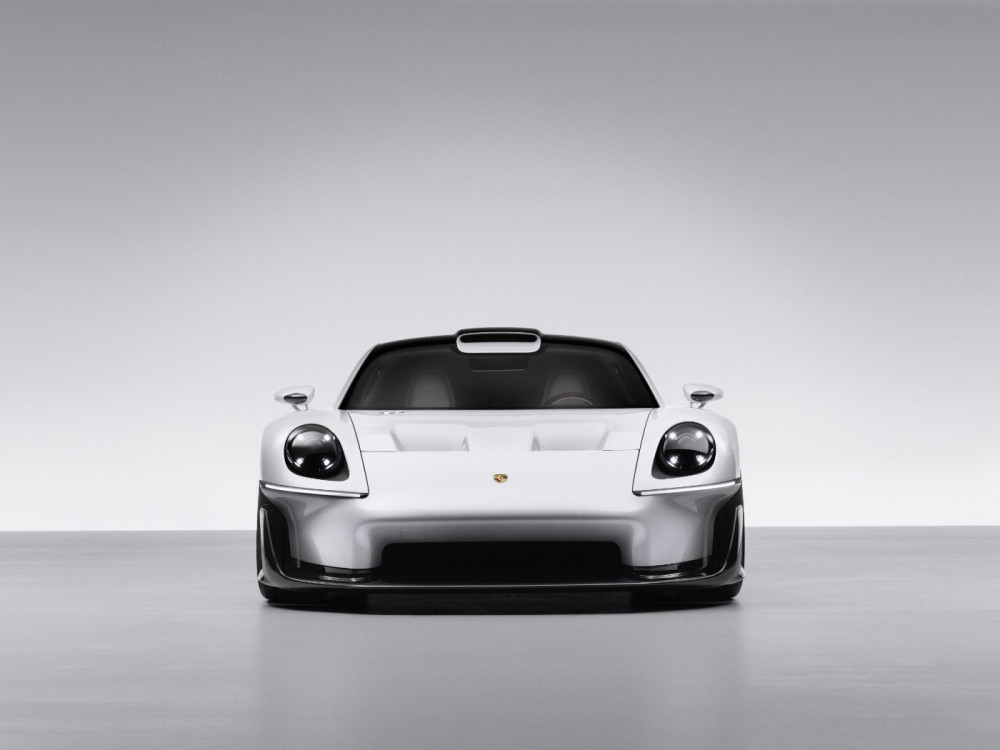
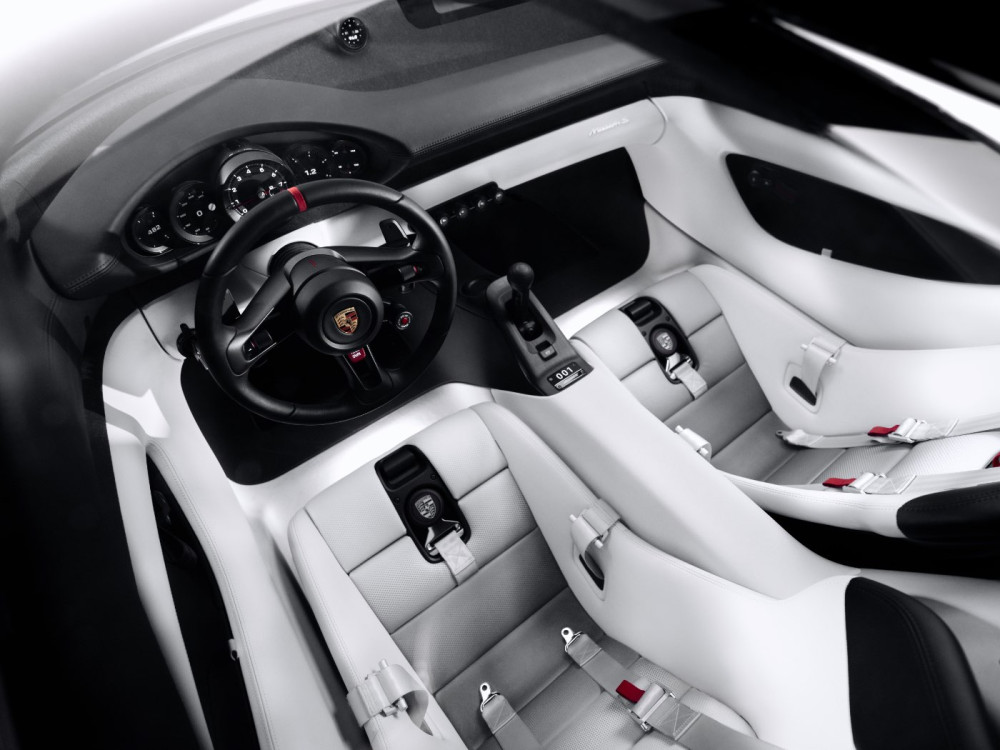
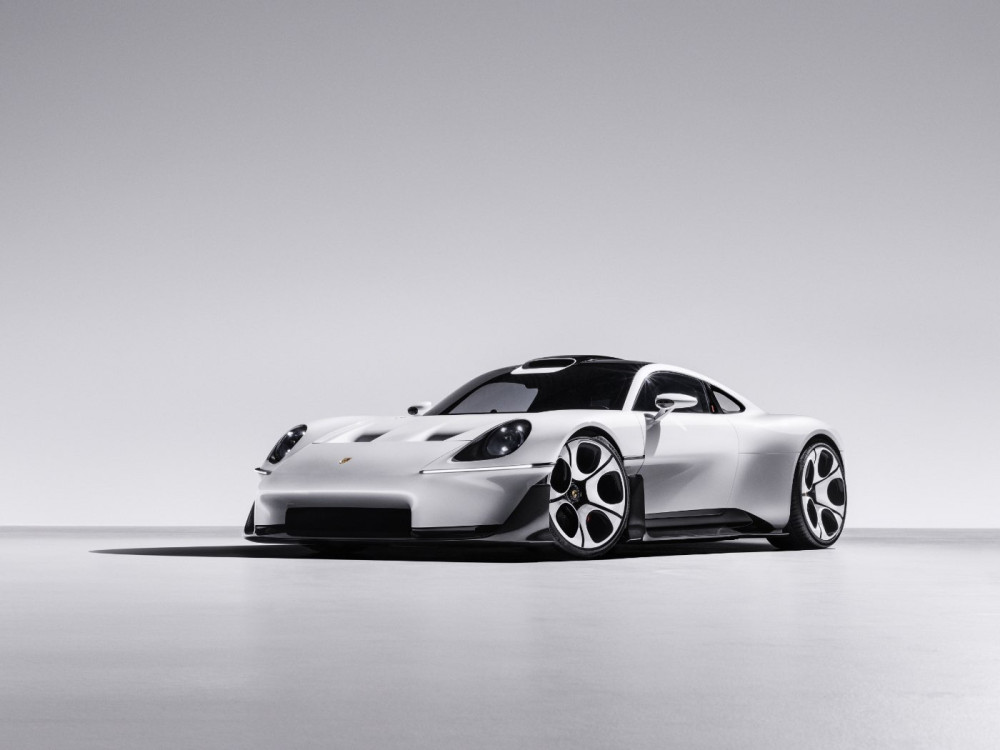
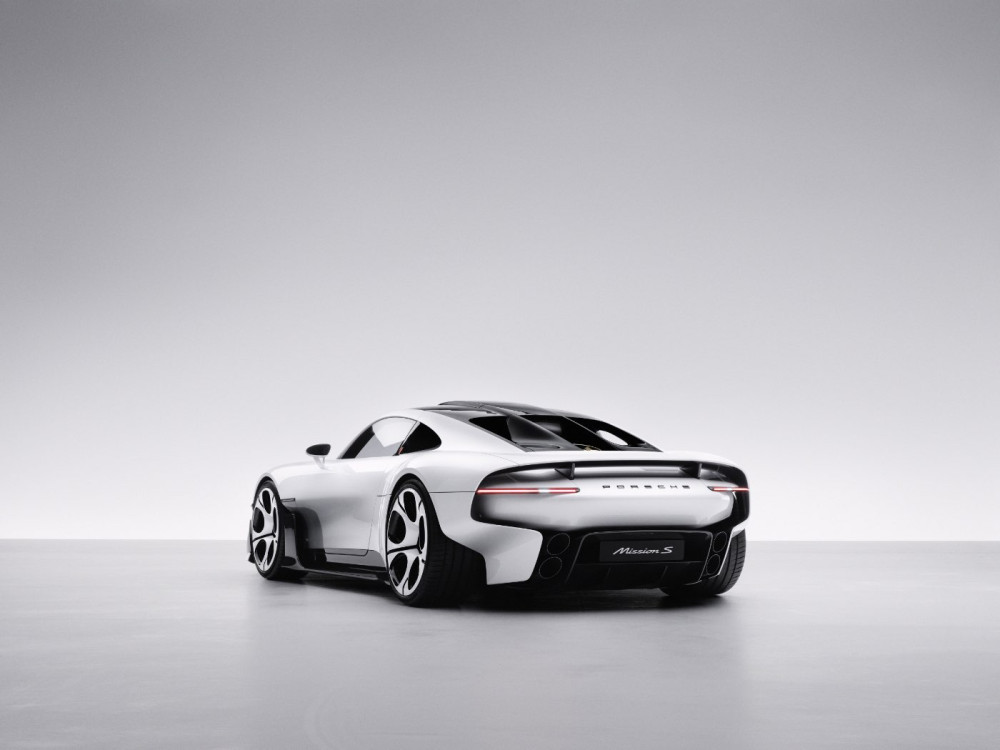
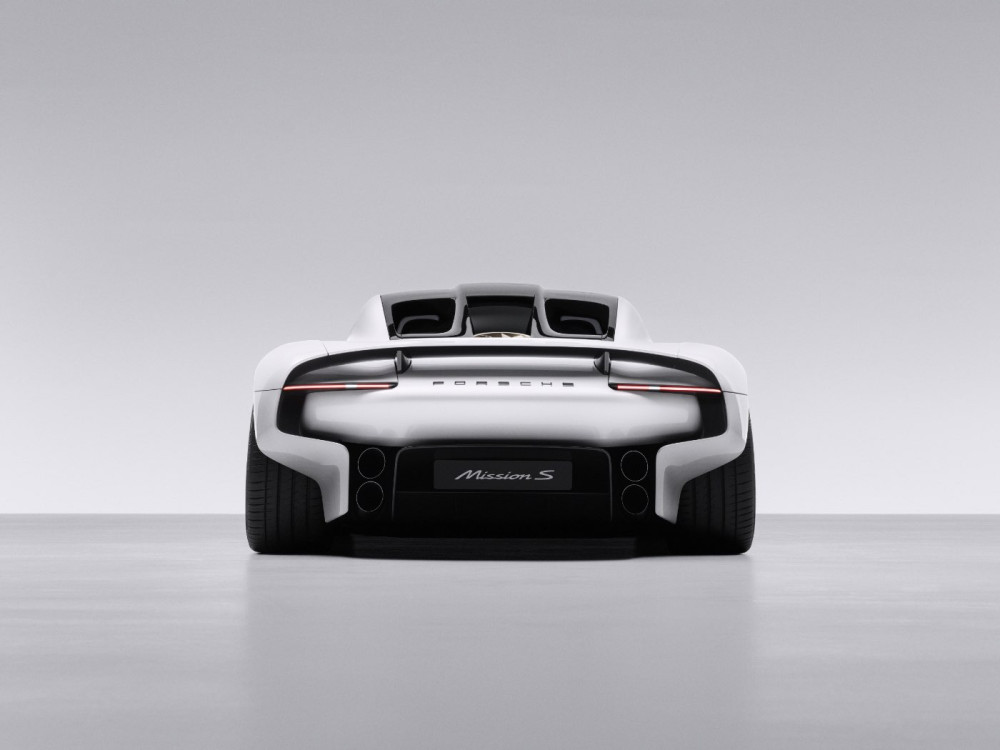
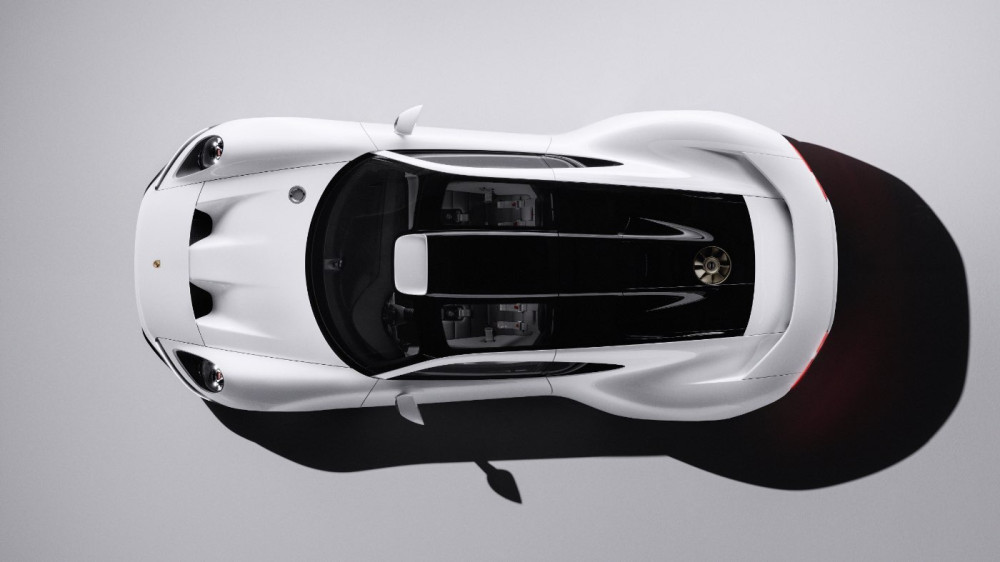
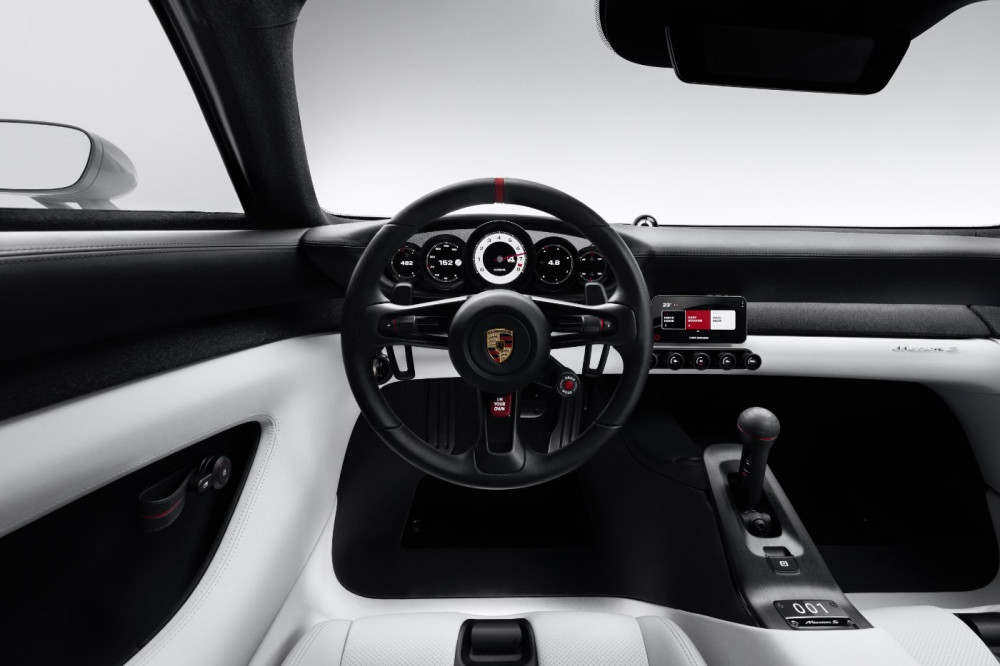
Above all, the Mission S is one thing: a breathtakingly beautiful car. Soul food. The entire design strikes a finely judged balance between past, present and future. The colours Firn White Metallic and Light Red Metallic reinterpret Porsche's classic motorsport colours. Anyone looking at the car immediately recognises Porsche's distinctive and unmistakable design language. Echoes of the 959, 993, GT1 and 928 seem to smile back at you. Every fibre of this car declares: A Porsche is a Porsche is a Porsche – and will always be. From a designer's perspective, this is perhaps the most difficult discipline of all: evolution. After all, you are working with a design language that has stood the test of time for decades and made design history. You may evolve it, but you must never lose its soul. Get it wrong, and you're out. The proportions and packaging are perfect. Once seated inside, the view forward is reminiscent of the Porsche 906. You sit low. Very low. The driver is greeted by an abundance of familiar, analogue and tactile elements.
The five characteristic circular instruments behind the steering wheel are more prominent than ever. At the centre sits the rev counter, featuring an analogue needle with a display positioned behind it. Depending on the driving mode, it moves towards the driver, bringing it even more sharply into focus. The arrangement of the instruments also changes according to the selected driving mode: the instrument pods reposition themselves alongside or behind one another, adapting to the driver's needs.
Seat adjustment controls, buttons and switches are reduced to the essentials in true Porsche fashion, with every last detail meticulously considered. The orange rev counter features the aluminium cap of the F-Series model – a wonderful detail. And then there is the fold-out smartphone holder. A specially developed Porsche app gives the driver access to digital content. The entire interior recalls the architecture of the 356 and the 550 Spyder. Exposed reinforcements and cut-outs are not merely styling elements, but expressions of structural logic.
You simply cannot get enough of looking at it. The design works from every conceivable angle. And the longer you study the details, the more you discover. The wheels, for example, reference the rotary-dial design of the 928. Chapeau. And all of this was conceived and drawn in just six months. From a technical perspective, there is plenty to look forward to from Porsche as well. With its mid-engine layout, the Mission S has the potential to set new benchmarks once again. And there is little doubt that it will be magnificent to drive – whether on a winding country road or a racetrack. That leaves the question of the powertrain. Even the Porsche 904 was offered with four-, six- and eight-cylinder engines. Each configuration had its own distinctive appeal. What answer will Porsche give us this time? We will find out soon enough.
The Porsche Mission S is a more than successful opening chapter for “Sportwagenschmiede 35”. And it leaves us eager for everything still to come. For the next 911, the next Macan, and all the Porsches that will embody this new design philosophy in the years ahead. The Mission S is a Porsche in which you immediately feel at home. A car that stays with you long after you've seen it. One that makes you want to get behind the wheel and drive off there and then. And one that, after a drive, just before you switch off the garage light, makes you pause for a moment, turn around and gently run your hand along its fender.