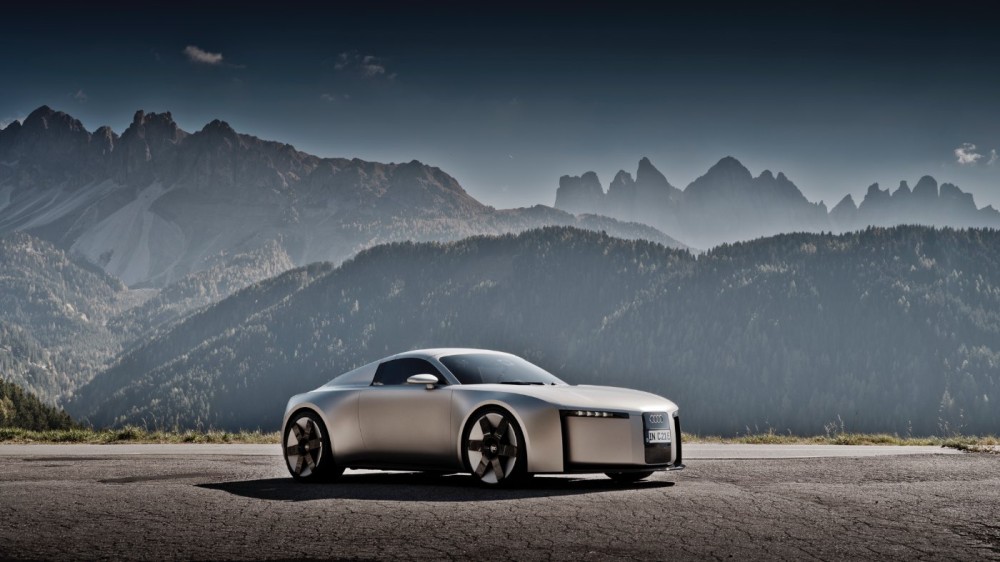


We’ve been invited to South Tyrol to drive the new Audi Concept C — but before we begin, let’s rewind for a moment. Audi’s transformation during the 1980s and 1990s stands as one of the most successful examples of brand evolution in automotive history — the journey from a well-behaved mid-range manufacturer with an engineer’s glasses to a self-assured design icon. By the mid-eighties, Audi had already gained momentum, often surfacing ahead of the mainstream with bold, pioneering ideas: the K-Jetronic system in the Audi 80 GTE before it even appeared in the Golf GTI; the first German manufacturer to introduce catalytic converter technology; the battle against rust with fully galvanized bodies; the aerodynamic Audi 100. By the late 1980s came the turbodiesel and the procon-ten safety system. But what truly accelerated this evolution — turning it into a guiding brand principle — was Ferdinand Piëch, who took over Audi in 1988 and transformed it into a laboratory of German precision and technical audacity. His motto: Don’t explain progress — create it. Technologically, Audi set benchmarks: the refined Quattro all-wheel-drive system — everyone remembers that legendary ski-jump commercial — and the revolutionary aluminum space frame of the A8 (1994) became embedded in the brand’s DNA. Yet the real quantum leap happened in design. Under Hartmut Warkuß and especially Peter Schreyer, a new, clear, and reduced design language emerged. The A4 (1994) carried this clarity into the mid-size class, Freeman Thomas’ TT (1998) became a rolling statement of minimalist perfection, and the A2 (1999) dared to leap into a futuristic world of lightweight engineering — light, efficient, and far ahead of its time.
“Vorsprung durch Technik” — Progress through Technology — was never treated by Audi as a mere slogan, but as a mindset. Audi saw itself as the intelligent, design-conscious alternative to Mercedes’ dignity and BMW’s dynamism. By the late 1990s, the transformation was complete: the once buttoned-up engineering firm had become an avant-gardist — a brand proving that German technology and bold design could symbolize a new national self-confidence. Everyone wanted to drive an Audi.
Thirty years later, the brand once again stands, quite visibly, at a similar crossroads. After decades of massive growth, Audi has changed — perhaps even lost some of its focus. Meanwhile, the automotive landscape has been turned upside down: Asian manufacturers surge past the established brands with sharpened self-confidence and determination. Markets shift. The knowledge and design expertise we’ve been exporting for decades have become a boomerang. Massive turbulence. Maximum confusion. Time for realignment. Full stop. Restart.
In 2023, Gernot Döllner steps in as the new CEO. The challenge: reinvent yourself. The direction: Radical Next. Strive for Clarity. While other manufacturers — under the “more is more” philosophy — dive headfirst into the “MediaMarkt-ization” of their infotainment systems, buy electric motors from the “all-you-can-get” department that casually push 1,000 horsepower into an SUV, and scramble to define their own design language (BMW: “Neue Klasse”, Mercedes: “Sensual Purity”), Audi chooses a different path — the same one that guided it in the 1990s: Less is more. Now: light speed. The Audi design team, led by Massimo Frascella (formerly Bertone, Kia, Land Rover, Range Rover; at Audi since 2024), takes a deep look into the Audi DNA — its origins and its Germanness. That Germans are still seen as models for great design and superior technology is something Audi now uses as a kind of litmus test for its corporate, design, and communication philosophy. Because when you show up abroad — say, in Asia — in a German car, the reaction is still unmistakable: “Oh! Germany! Goethe! Bauhaus! Autobahn!” While we Germans are still caught in our habitual cycle of self-criticism and naval-gazing, other cultures maintain a remarkably clear and positive image of “Germanness.” Nothing has been written off or dismissed — the world is simply waiting for the next energy surge from Germany. But how do you find a new designer for such a role so quickly? Gernot Döllner: “Massimo Frascella is a visionary and has already created many icons in his career. That’s why I wanted to meet him. After 45 minutes in our first conversation, it was clear that we shared a common vision for Audi. Everything just fit. Sometimes things really are that simple — and that fast.”
The team surrounding Audi CEO Gernot Döllner and design chief Massimo Frascella has no intention of falling into the trap of trying to please everyone — of turning itself into a vague, global, all-you-can-get buffet of everything and nothing. Instead, they’re taking another route. Symbolically, they’re withdrawing for a few months of introspection, walking through Audi’s ancestral gallery, examining each historical model with forensic precision. The archives are opened. Everything unnecessary is shaken off. No distractions. A Zen garden of sorts — scraping away the crust of trend debris. Here, the idea of “radical simplicity” begins to crystallize. “We looked at ourselves,” says Döllner. “What are our roots? What is our genetic code? From that foundation, we made the leap into the future.” Frascella emphasizes the importance of clarity, precision, and perfect proportions — in car design as much as in corporate and communicative design. The goal is a timeless, sophisticated design language — with a clear gaze and an equally clear attitude.
But what does Vorsprung durch Technik mean when technology today becomes obsolete so quickly? Gernot Döllner: “It’s the sum of many things that make an Audi what it is. The interplay of technologies that’s unique to the Audi DNA. But it’s also about preserving stimuli from the past — those emotional cues that should remain visible and recognizable in the future. Think of something like a virtual manual gearbox as an emotional trigger. It’s also about how things sound — acoustics matter. And, of course, about our uncompromising standard of quality that remains distinctively Audi, both visually and tangibly. In the end, it’s the overall composition of the car that counts: the impression, the materials, the design, the atmosphere in the cabin. That’s where the real, decisive difference can be made. And beyond that lie many new fields of innovation — especially in software, which, in combination with well-crafted hardware, enables interactions that genuinely delight.”
Strive for Clarity — this philosophy now manifests itself through four pillars: Clarity, Technology, Intelligence, and Emotion. And the Audi Concept C is the first tangible expression of this new attitude, deeply rooted in the brand’s history. At its presentations in Milan and at the IAA, the message was instantly clear — to the head, the heart, and the gut alike. The car itself feels like a reincarnation. To the observer, echoes of the great German design schools resonate — Bauhaus and Ulm, whose masters were Walter Gropius and Ludwig Mies van der Rohe. In thought, Dieter Rams and Otl Aicher ride along as well. Less is more – focus.
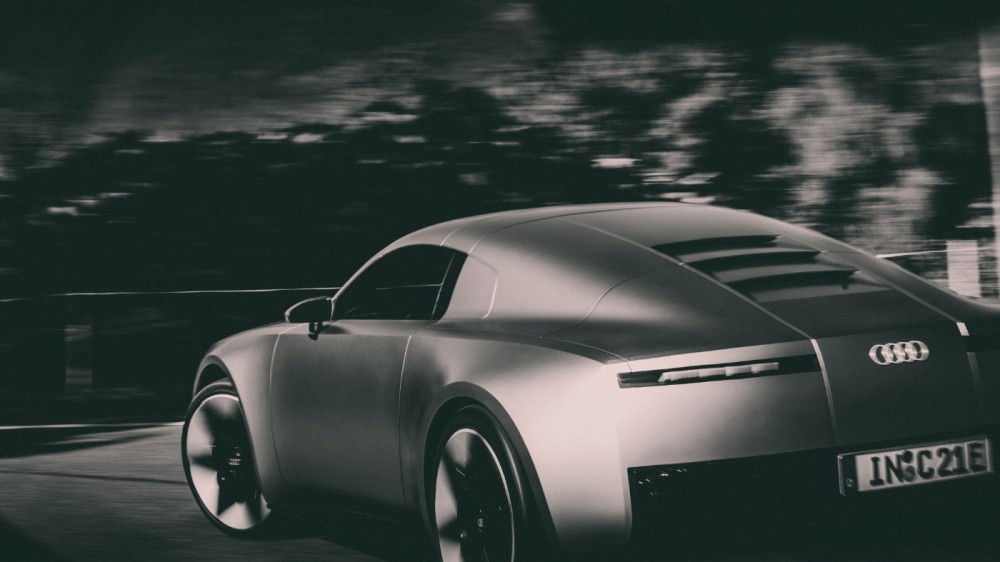
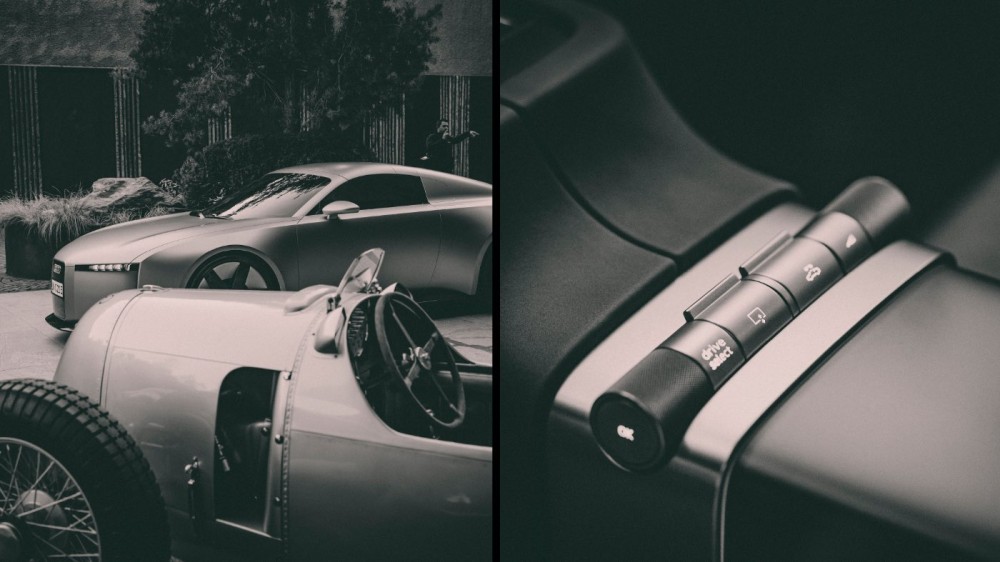
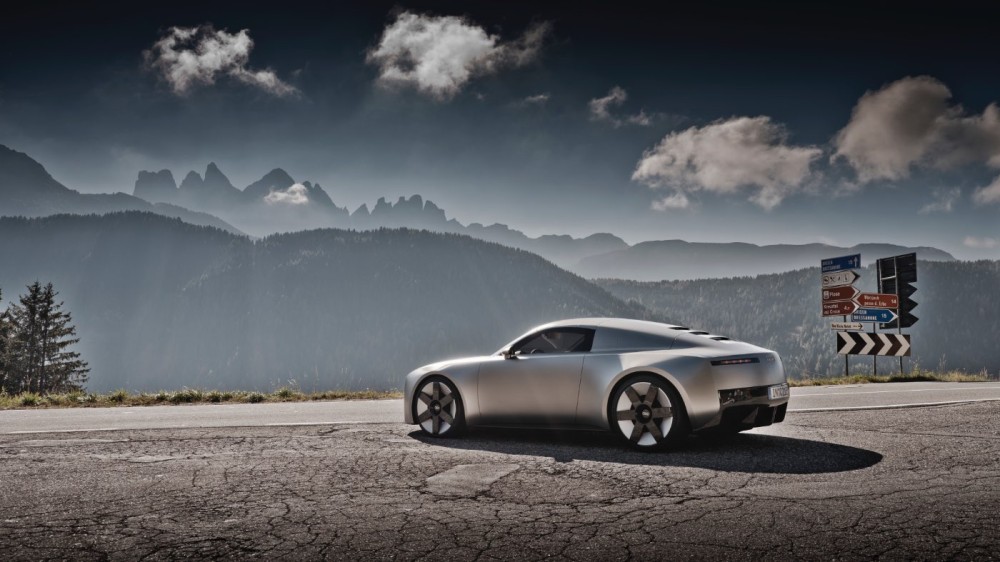
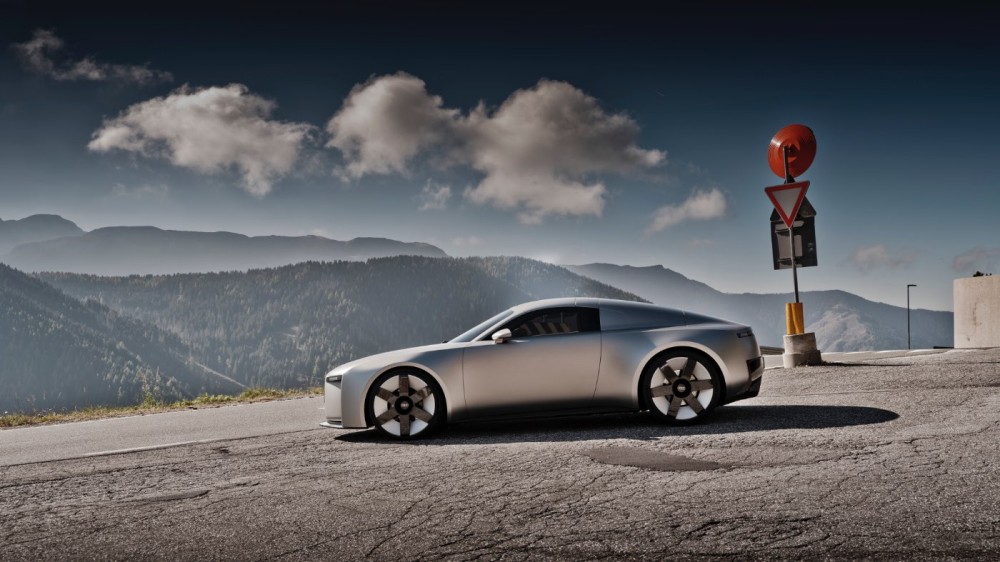
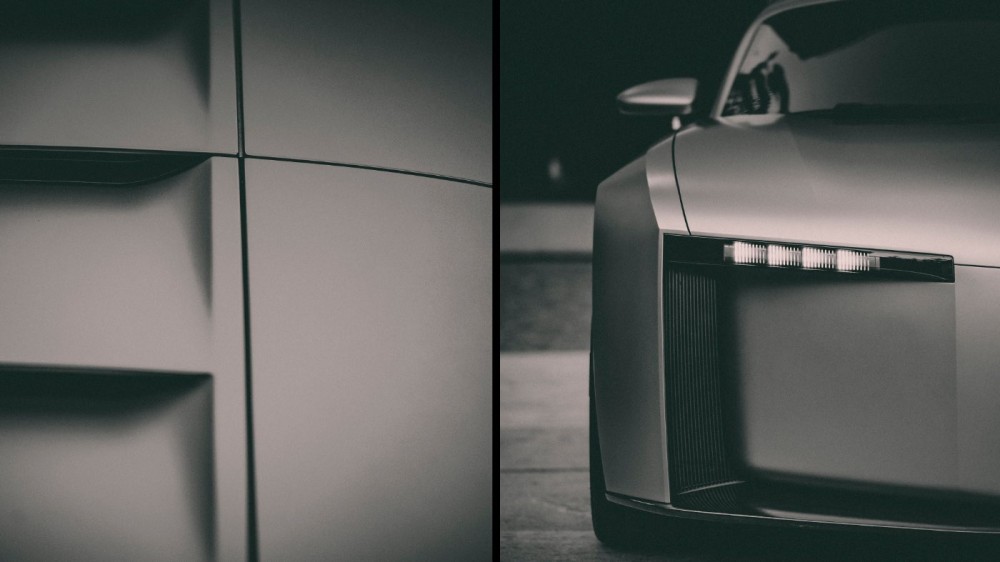
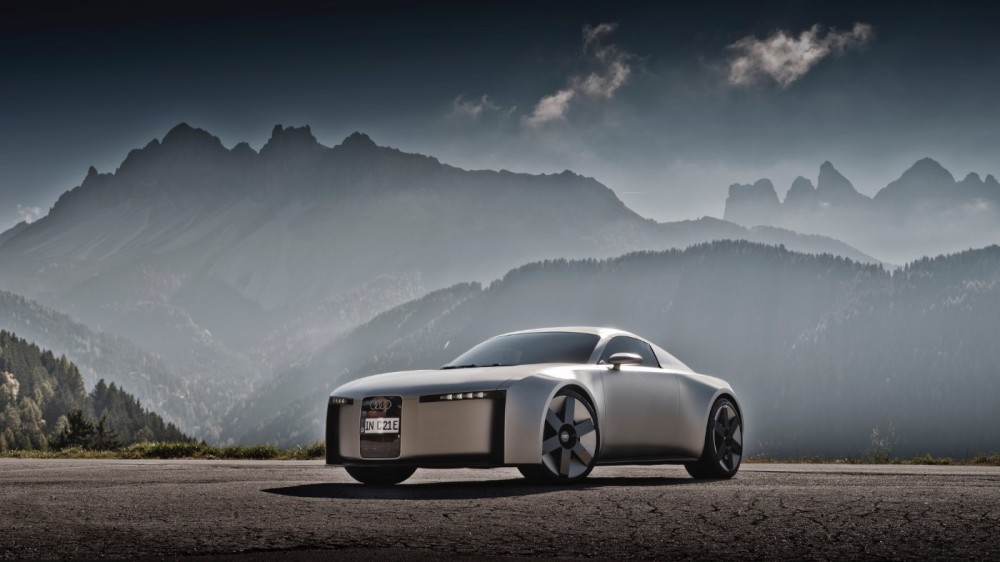
But the design team achieves even more: it manages to carry Audi’s traditions into the modern era while keeping its own history in tow. The car quotes the streamlined Grand Prix racers of the old Auto Union, the Audi Avus quattro concept of 1991, the legendary TT, and the R8. The body looks as if it has been milled from a single block of aluminum. Inside reigns a clarity that is rare in times when digital excess often feels meaningless and arbitrary — tactility, clicks, the satisfying snap of a switch. Even Mercedes design chief Gorden Wagener seems unsettled by it, firing shots: “Looks like a car from 1995.” Exactly, Gorden. That’s the point. Our mantra: timelessness. And what was that again about “sensual purity”? What if Audi becomes the first to truly refocus? No frills. No fuss. Instead: German design distilled through the centrifuge of Ingolstadt’s new self-assured spirit — everything in its place, at its best in materiality. Minimum is maximum is minimum.
“The way we design our models is the way we design our company,” adds CEO Gernot Döllner. The new design philosophy is thus not merely aesthetic — it’s a holistic corporate principle, reflected even in Audi’s organizational structure. “Clarity is both attitude and compass — the force guiding Audi into the future.” There’s also movement on the communication front. Audi’s new brand chief, Andreas Henke — on board since April and anything but a newcomer to the automotive world — explains: “For our positioning as the desirable first choice of a progressive premium audience, we’ve struck a few chords that will resonate for a long time. Like a base rhythm, we’ve set the brand’s general vibe, over which different melodies can be layered in the future. The best part of music isn’t written in the notes — and it’s no different with our communication.” A launch film starring Harris Dickinson evokes the black-and-white artistry of German and French arthouse cinema — a beautifully choreographed counterpoint to the hyperactive world of Instagram Reels and TikToks, offering serenity instead of overstimulation. Audi’s corporate design is being overhauled, and the new auto-show booth makes a statement of its own: One car. Four rings. Fifty shades of grey. One coherent story. Less is more. Crowds line up. It works.
The avant-garde proves its worth when it comes home, when German design is not just something found in museums and universities but in everyday life. In every wall there’s a Fischer anchor, FSB door handles, ERCO lighting systems, Thonet chairs in living rooms around the world — the list could go on endlessly. And now, here in South Tyrol, we get to experience the Audi Concept C in person, and it shows how it delivers the final and perhaps most essential ingredient of Audi’s four-pillar philosophy: emotion.
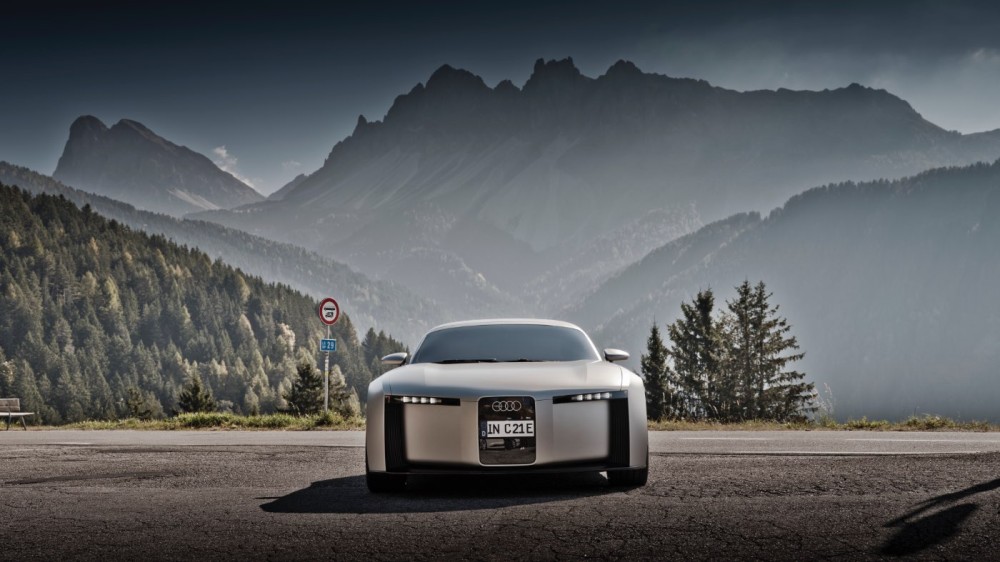
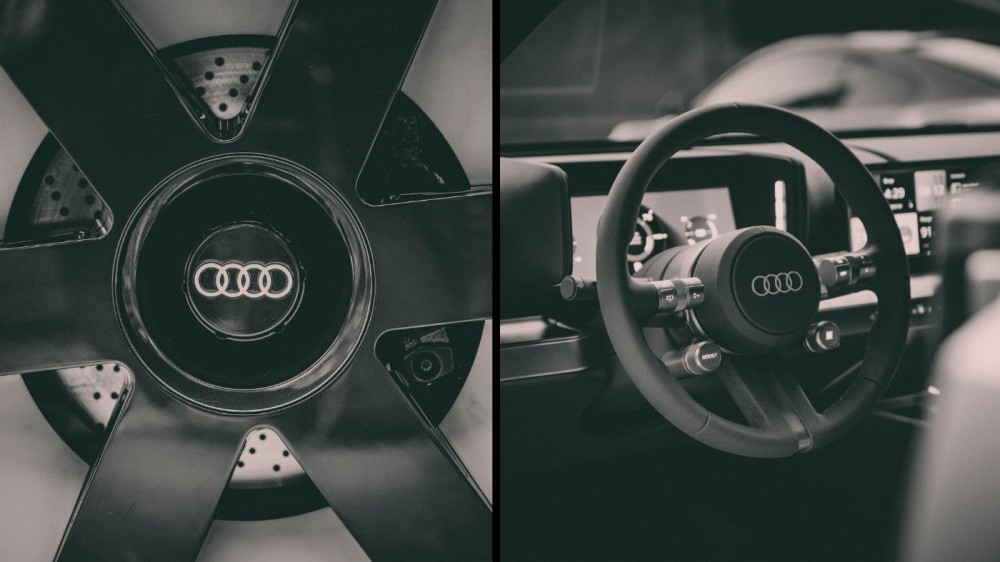
We meet the Audi team and Gernot Döllner, who is visibly excited about the day ahead. He greets us as a naturally passionate CEO with a clear vision and strategy. Döllner radiates courage and enthusiasm, confidence and optimism — passionate, human, approachable, and direct. And there it stands, the Audi Concept C, parked in front of the hotel. It has shed any hint of museum-like distance. You want to touch it. Immediately, the car conjures a smile. You know it from pictures, from the auto show, but here it feels smaller, more compact, more tangible. It radiates clarity and confidence without being loud — subtle yet present. You don’t quite know what to expect, but the joy arrives instantly, almost as a reflex: you just want to get in and drive. The hotel guests feel the same. The car simply stands there — open, inviting, without barriers or show effects. Passersby stop, look, smile, give a thumbs-up. Despite its clean, almost architectural appearance, there is a world of fine details that never grows dull, even after repeated glances. Everything exudes calm, poise, understatement. Nothing shouts, nothing demands attention — it’s all perfectly composed. The materials are tactilely exquisite, the workmanship flawless. At no point do we find ourselves wondering what kind of powertrain it has — combustion engine, electric, hybrid — it doesn’t matter. That has never happened before.
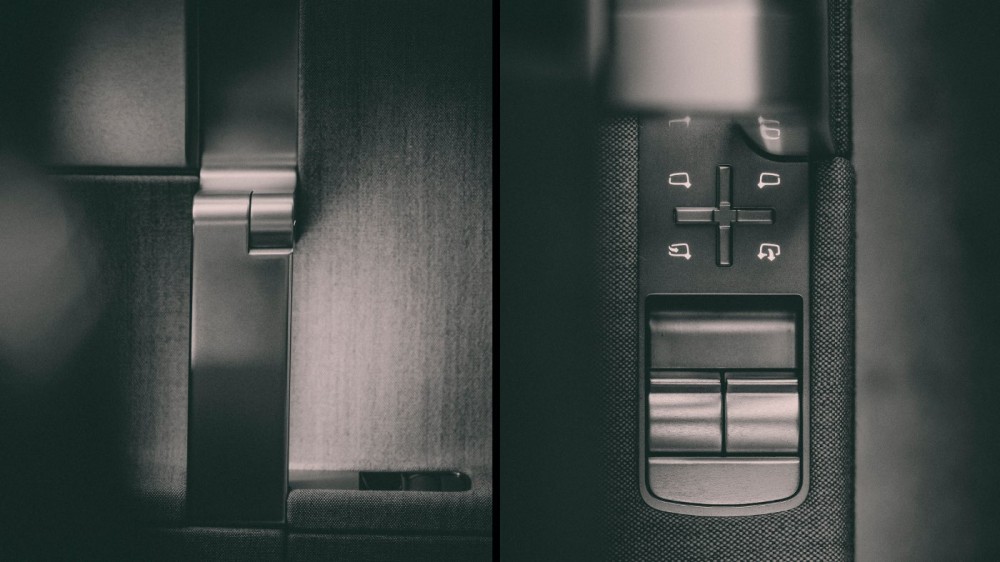
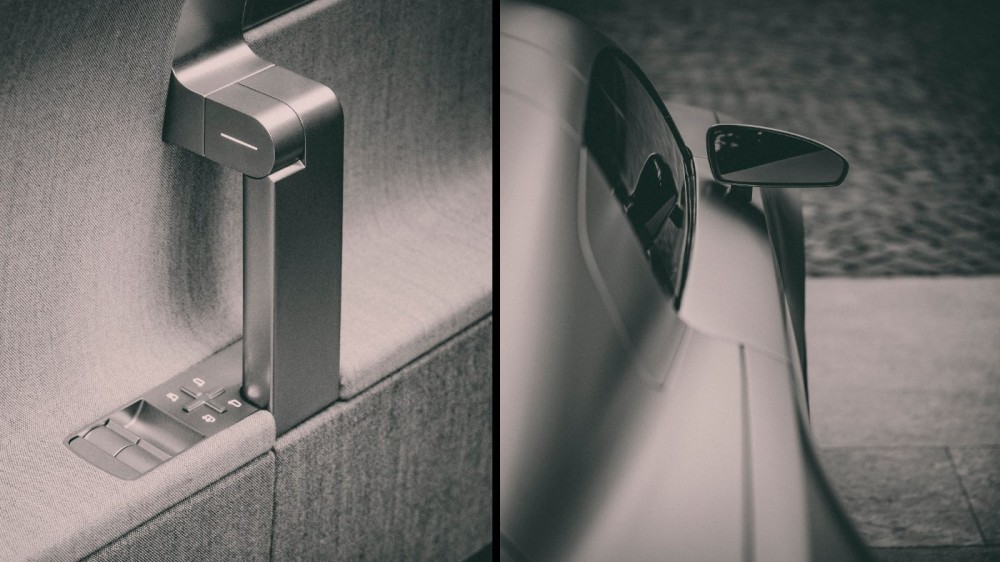
The door opens, revealing an interior bathed in shades of grey and brushed aluminum, underlined by a soft, monochrome color world. The materials, the fabrics, the surfaces — everything feels thoughtfully chosen. Every instrument is exactly where it can be read intuitively. You immediately notice the wonderfully tactile buttons and switches, rejoice at the knobs and dials that click into place with satisfying precision. No virtual buttons hidden beneath glossy black panels — what a refreshing and intelligent counterpoint to the oversized screens that dominate mainstream interiors. There is, of course, a monitor — retractable on demand, perfectly sized, never intrusive. Analog warmth, digital heart.
This is what a modern, future-oriented interpretation of “Vorsprung durch Technik” looks like. You feel the humanity behind every detail, the designers’ careful craftsmanship. On the mood board, you can picture Giorgio Armani and Jil Sander barefoot in a Zen garden: calm, strength, class — timeless and wearable, intensely real. How do you achieve that in such a short time? In conversation with interior designer Marwan Khiat, it becomes clear: when Massimo Frascella presented a mood board to the global team — from Asia to America to Ingolstadt — after just three weeks, it showed how collective creativity can work. Every designer could contribute, could feel included. The result, developed and built in Ingolstadt rather than outsourced as is often the case, is a genuine collective work of art that everyone can be proud of. And it is precisely this harmony of vision, open leadership, and individual creativity that makes the Concept C such a unique experience.
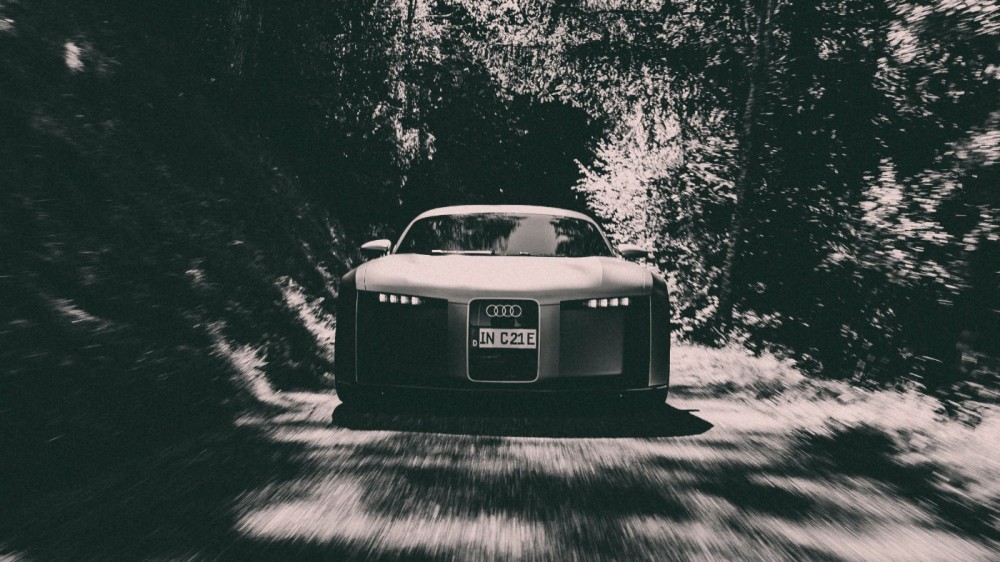
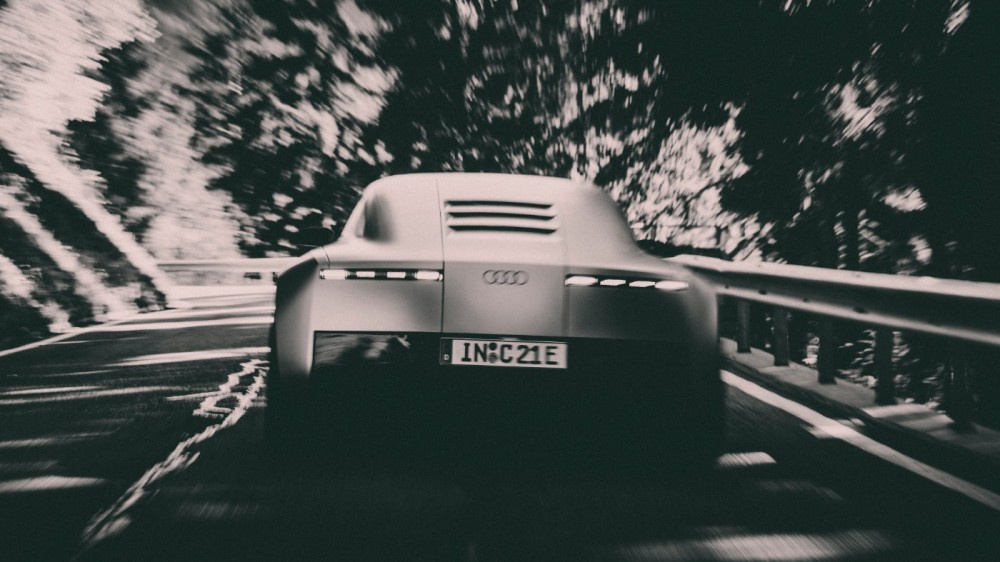
Mobility is redefined here. The car places the human being at the center while technology takes a graceful step back. Digital and analog are best friends — perfectly balanced, used where necessary, restrained where appropriate. Gernot Döllner has created space for new thinking, and in a company as established as Audi, that amounts to a quiet revolution. The whole organization is being challenged to give its best for Audi and its customers — as uncompromisingly as possible. And now, proof of concept — time to drive. You immediately feel comfortable, almost at home; everything is in its place. We head up into the tight, winding passes of the Würzjoch. The Concept C is fantastically tuned — and we’re driving a prototype. German engineering — impossible to fool. You feel it in every fiber: the Concept C flies and dances, fast as a cheetah, agile as a weasel. It’s pure joy, almost indescribable — tears of happiness? On the way up the pass we have to brake hard now and then — the enduro riders are out too. A real-world test — it works.
In the future, we can look forward to a virtual gearbox — we’ll see what that does to us. Anyone who has ever sat in an electric sports car, with its low center of gravity, immediate torque, effortless thrust and hypnotic flow, knows that it installs a mental update in your head — a fresh piece of software about what electric mobility truly means. The Concept C is a car of the future, one that drives organically, reacts intuitively, and delivers pure driving joy. The curves, the torque, the mountain roads — everything feels playful yet precise. The car recedes, letting the surroundings take the stage — landscape, city, nature. The sound blends gently into the experience — mechanical, subtle, never artificial.
In sum, the Concept C is not a loud statement, not a show car packed with gimmicks, but a thoughtfully composed, emotional total work of art. Every decision — from the rotary switches to the instruments to the driving dynamics — is designed around the human being. The car feels analog, with a digital heart. It inspires, dissolves mental barriers, and shows how electric mobility can truly captivate. You stop thinking about how it’s powered — it defines itself. Open, electric driving becomes an entirely new experience: the nature, the surroundings, the mountain curves — everything feels more vivid, more immediate. The Audi Concept C is not just a car; it’s an invitation to experience the future of mobility. Perfectly curated, it draws its strength from calm, joy, balance, and a deep sense of humanity.
(c) Text & Fotos: Stefan Bogner - Thank you: Philipp Heitsch for sharing the experience and beiing a great »Sparringspartner«