

Order
By phone at Delius Klasing Publishing.
Hotline: +49 521/55 99 33
Zweisprachig: Deutsch/Englisch
978-3-667-13213-0
320 Seiten
23 x 28 cm
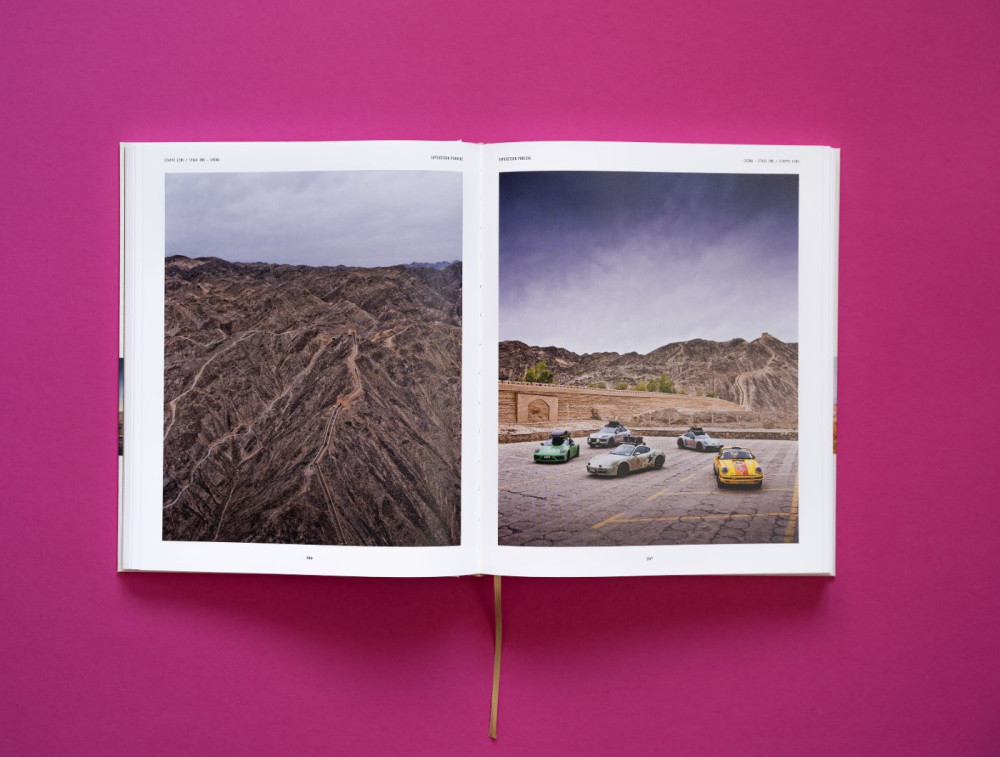
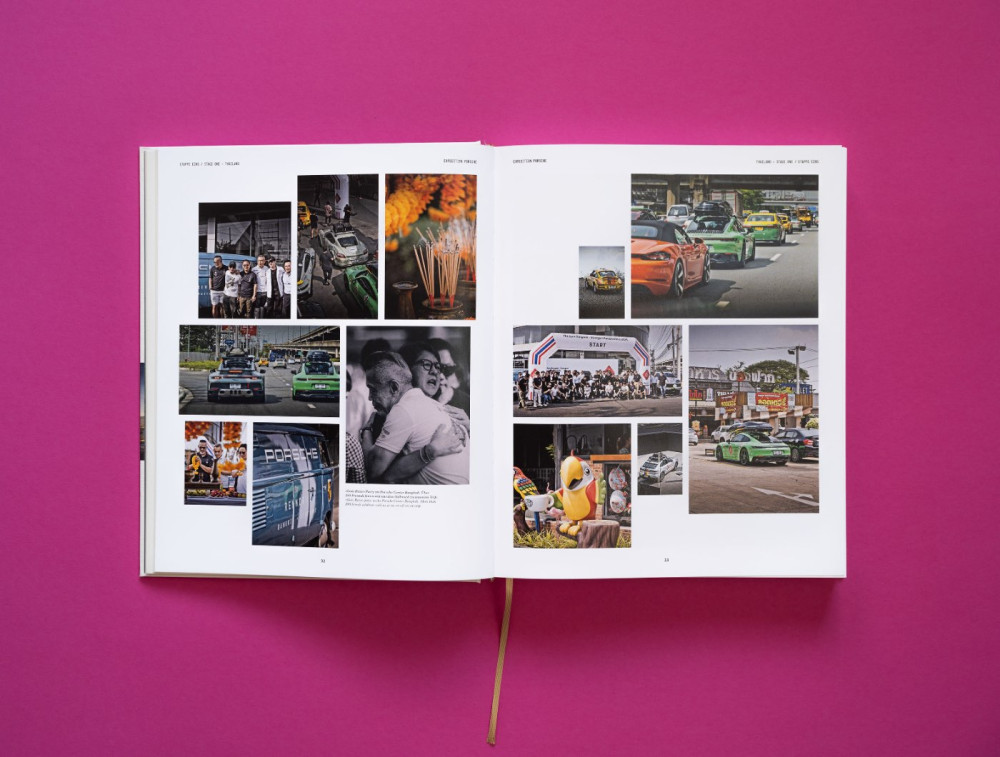
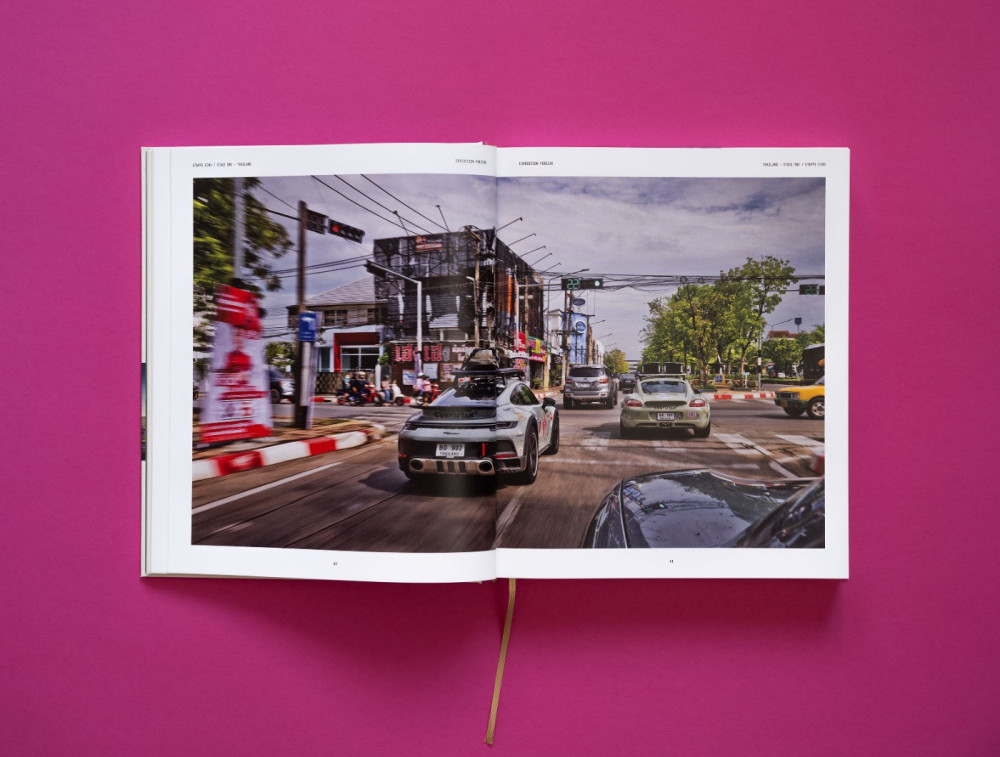
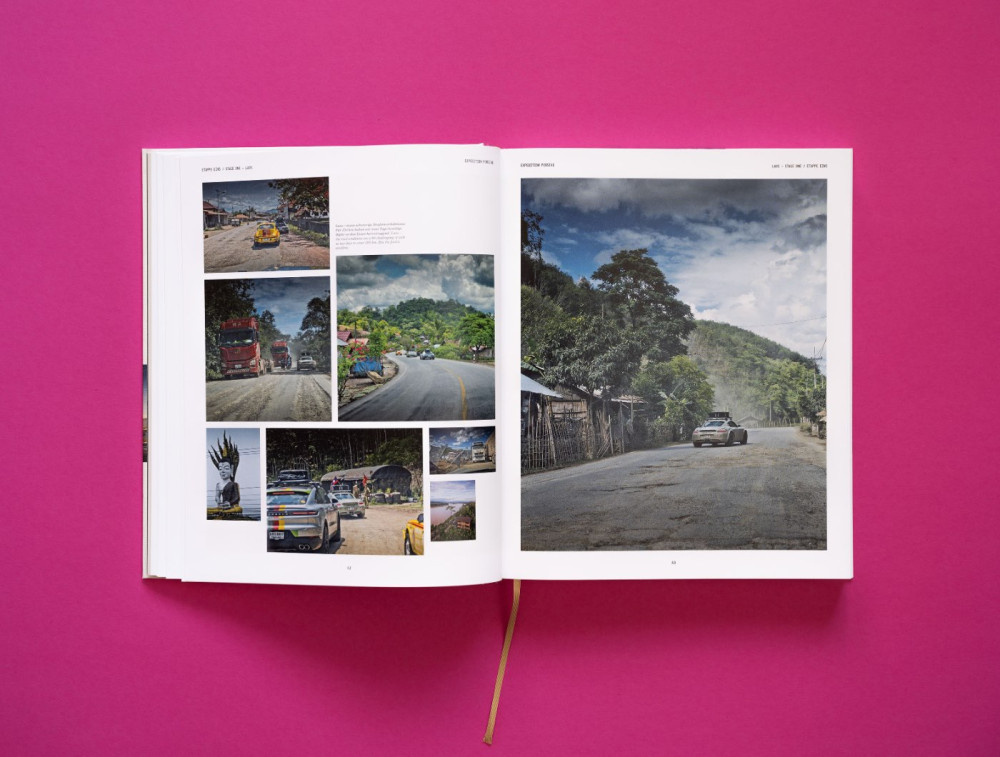
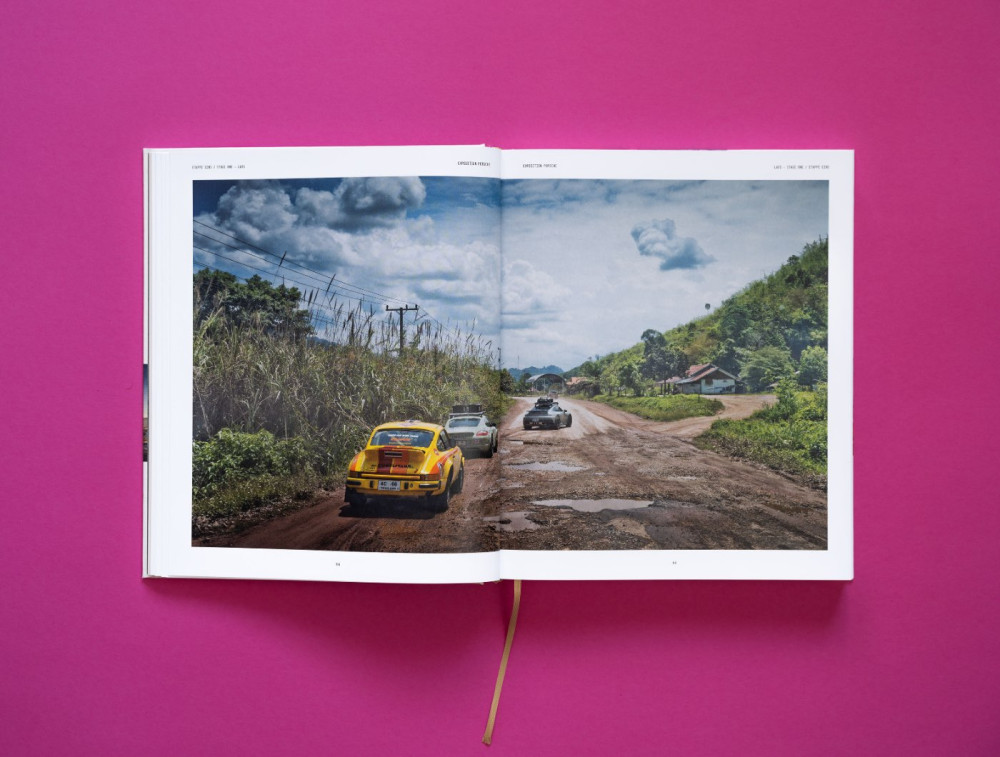
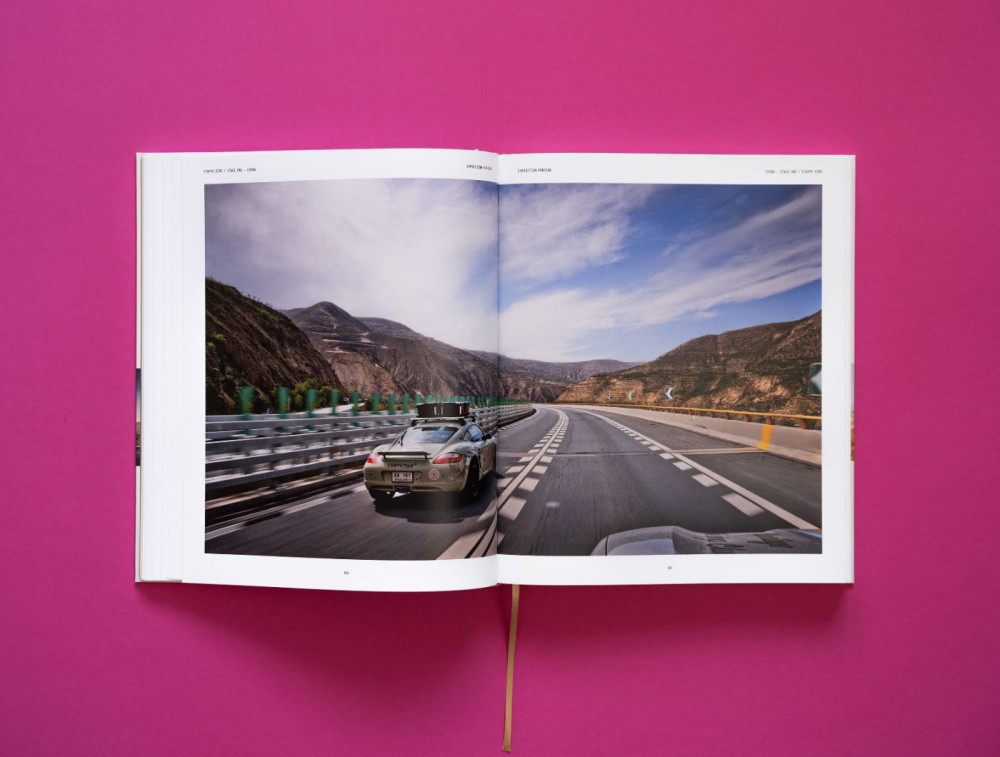
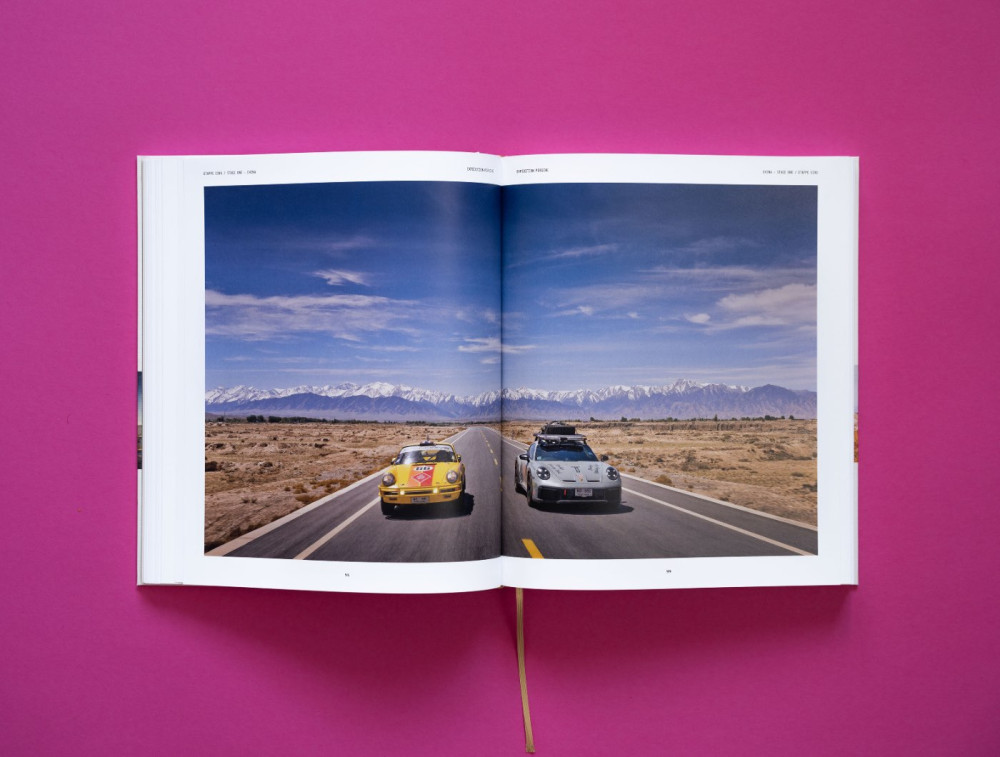
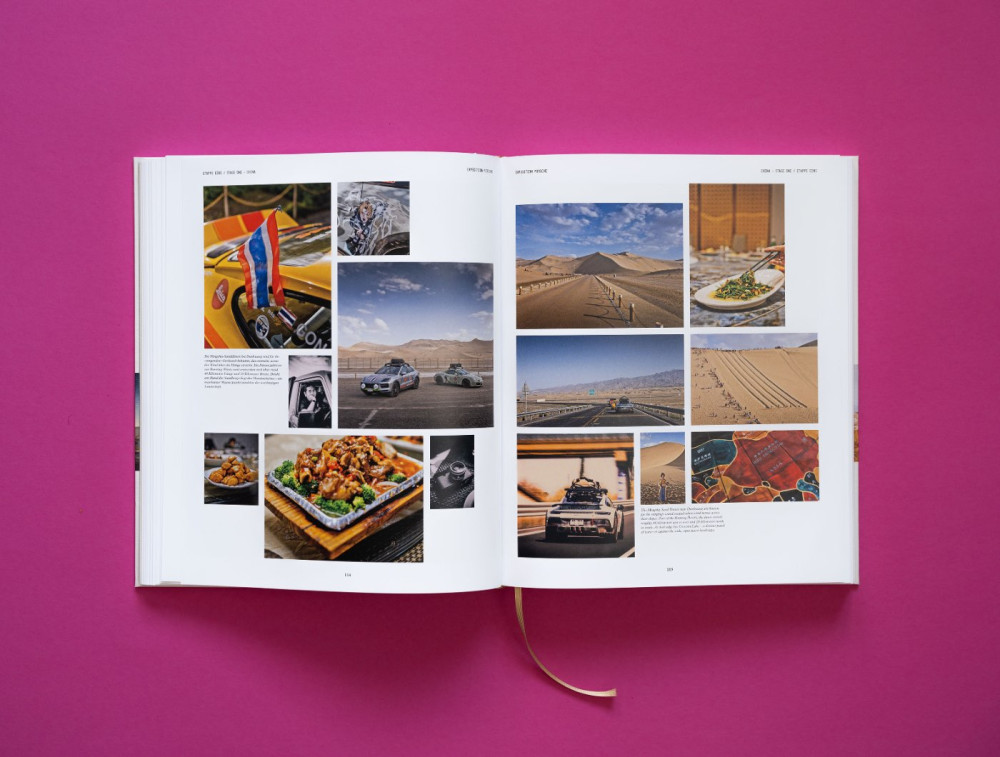
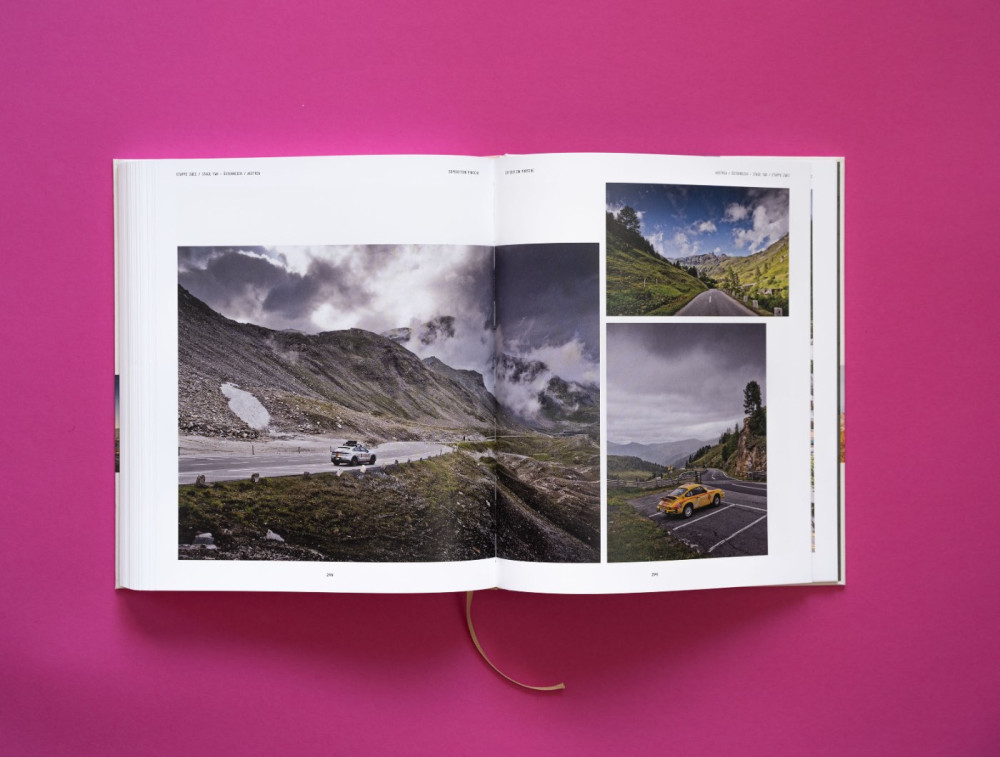
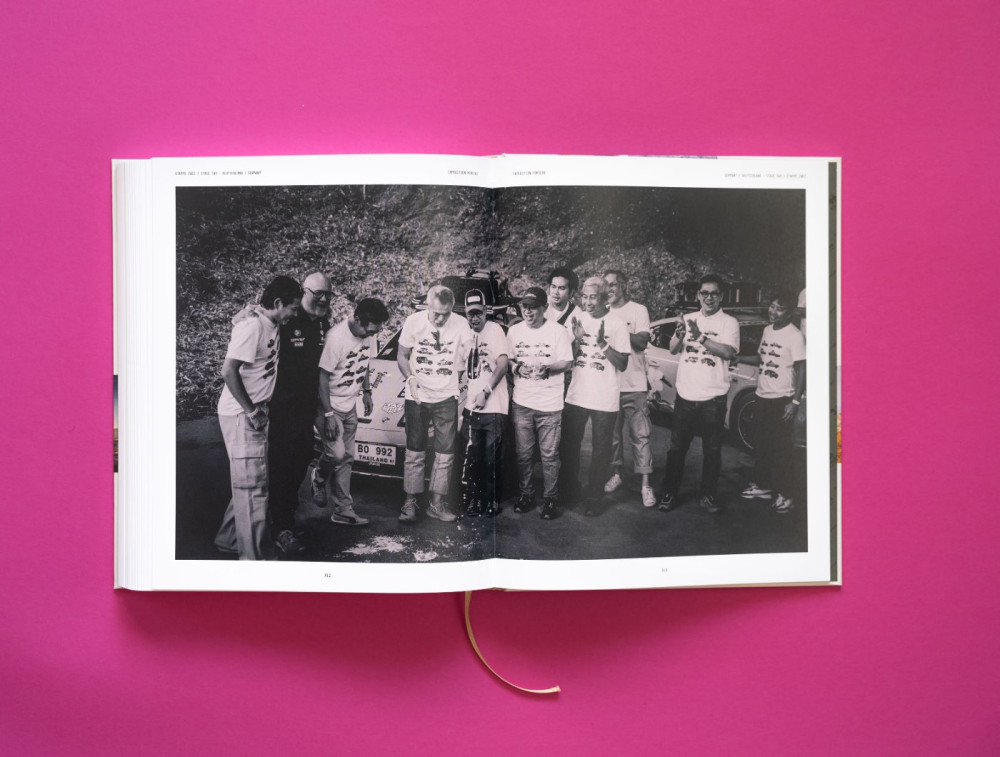
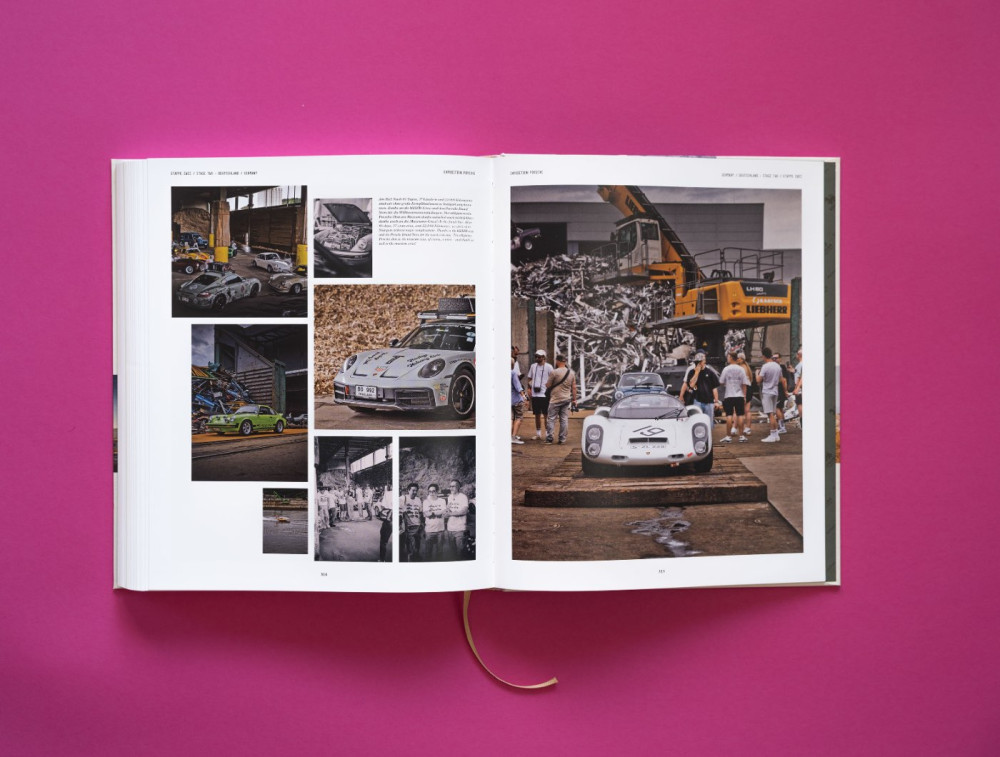
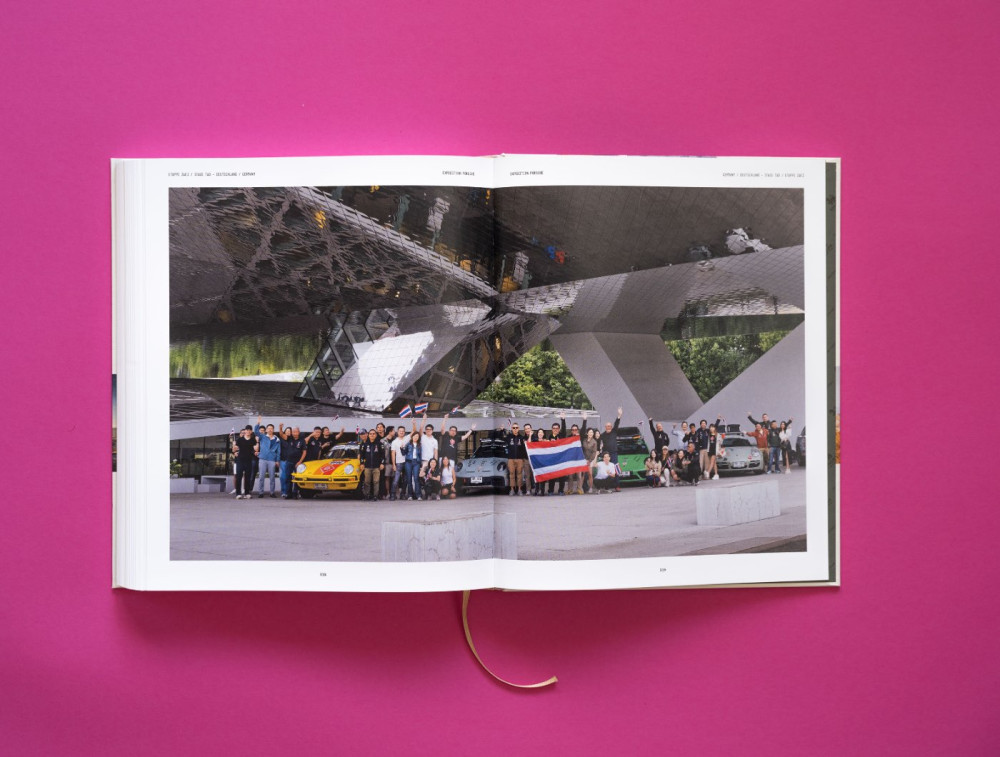
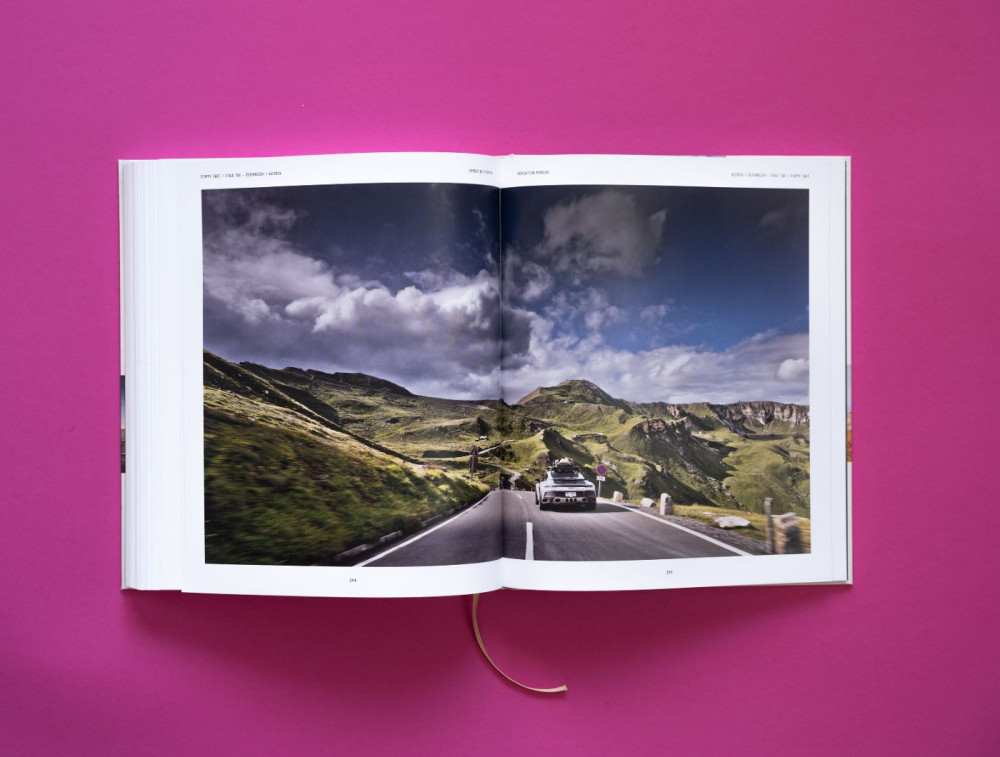
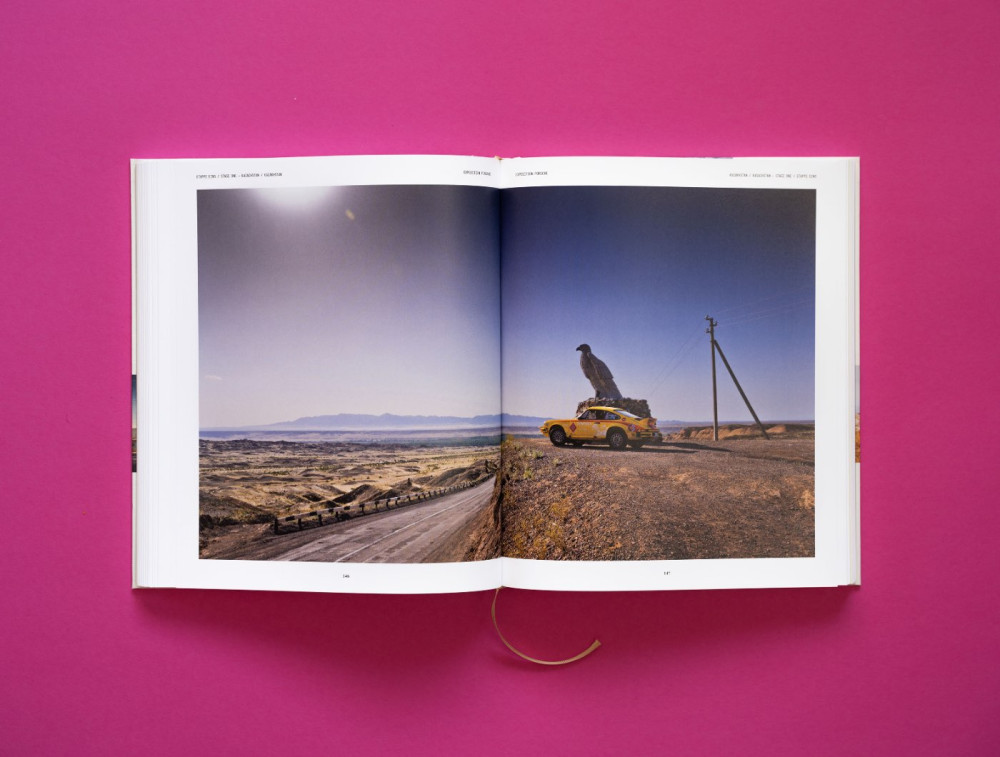
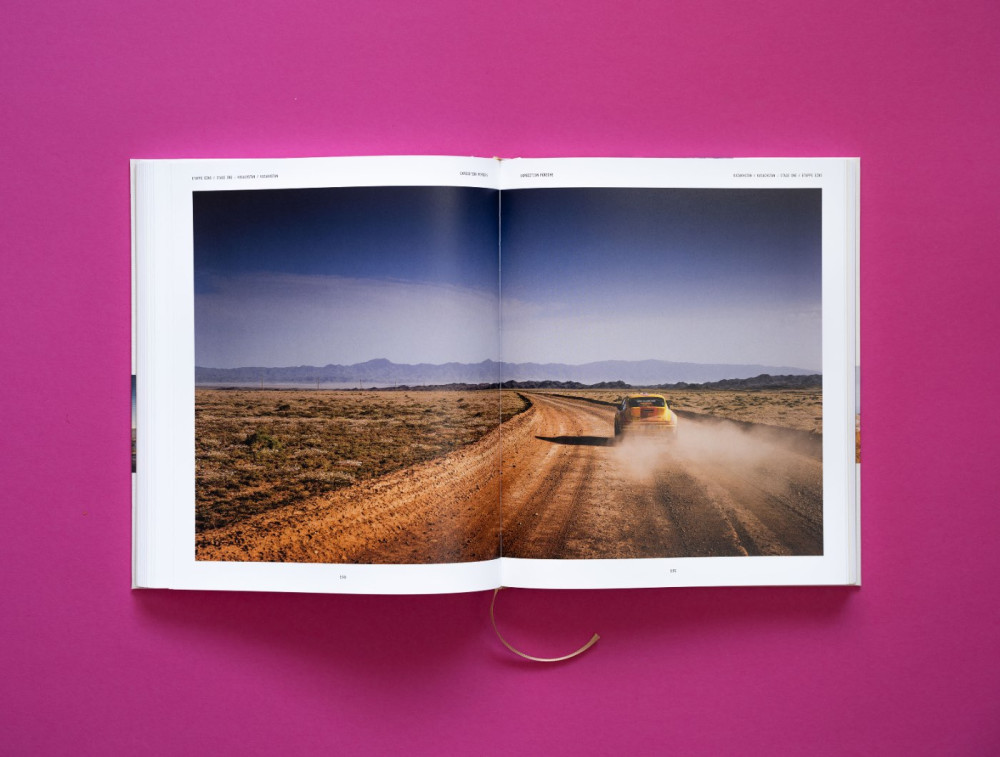
Frequent flyers and those who choose to overwinter in sunnier climes will need to brace themselves: in the jet age, you may be able to reach the opposite end of the world in a matter of hours, but simply racking up airmiles rarely translates into a true adventure. Aside from the problem of jet lag, there’s nothing meaningful to be achieved high above the clouds. Real long-distance travel takes place 11,000 meters below. In other words, on the ground, where the landscape can still get under your skin, kilometer after kilometer. Slow-flowing plains, obstinate mountain ranges and topographical detours become the golden ideal. Traveling overland transforms your soul into a ravenous wolf on the hunt for its next meal, catching the subtle scent of wanderlust and relentlessly pressing onward. Onward, ever onward. Eventually, you reach the edge of your known world, crossing into »unknown territory« and from this point on, your previously dominant determination gives way to a strange resignation to your fate that lasts for a long time. You become like a sailor on the high seas, navigating from one unknown point to the next, venturing into the uncharted spaces of your own personal, internal map. The only certainty now is found in the stars above your head. But human brains don’t function like a navigation system: cardinal directions, longitude, and latitude are simply aids to orientation. The truth is that we are guided by mood, experience, and instinct.Travelogues reflect this fact. Writers rarely recount how many minutes they spent traveling in which direction, or by how many degrees they then altered course to ultimately reach this or that destination. However, all travelers describe the beauty of the country, their encounters with its inhabitants, the food and drink, the joyful highs, and the grueling lows. This is precisely why we love the stories of long-distance travelers so much. We’re not interested in the sheer vastness, the purely academic number of unfathomable kilometers, but rather in the courage inherent in this kind of travel. That’s because it involves venturing into the unknown and the unpredictable. Inevitably, people making long journeys eventually lose touch with their homeland, the umbilical cord tying them to home snaps, and they reach a point where turning back would take longer than pressing forward. We have the perfect model for the incredibly long journey from the Far East to Europe in the merchant venturer Marco Polo (1254–1324), whose years-long adventures on the »Silk Road« are still vivid in our minds. Since the days of Marco Polo, we have known the more than 20,000 kilometers from one end of the European-Asian landmass to the other can cause one to lose sight of the original purpose of the journey, risking never returning, and perhaps even becoming a stranger in one’s homeland; a fascinating thought. Maybe that’s exactly why people travel so far? Perhaps it is because long-distance travel is about more than simply a particularly great distance between A and B? Maybe it’s because you are changed along the way and will never again be the person who set out on the journey? Aiming to find the answers for ourselves, we set out as 15 companions and fellow travelers, taking to the road in a convoy of Porsches. We planned to travel from Bangkok, the capital of Thailand, to Stuttgart, the Porsche capital... Our experiences on this journey will be shared here. This is partly because we need to retell the story to ourselves to be able to believe it, but also partly because we think this journey is a privilege that should be shared through storytelling. Above all, because travel is about stories. This book is the continuation of our journey. Join us on kilometer after kilometer of soulful driving.