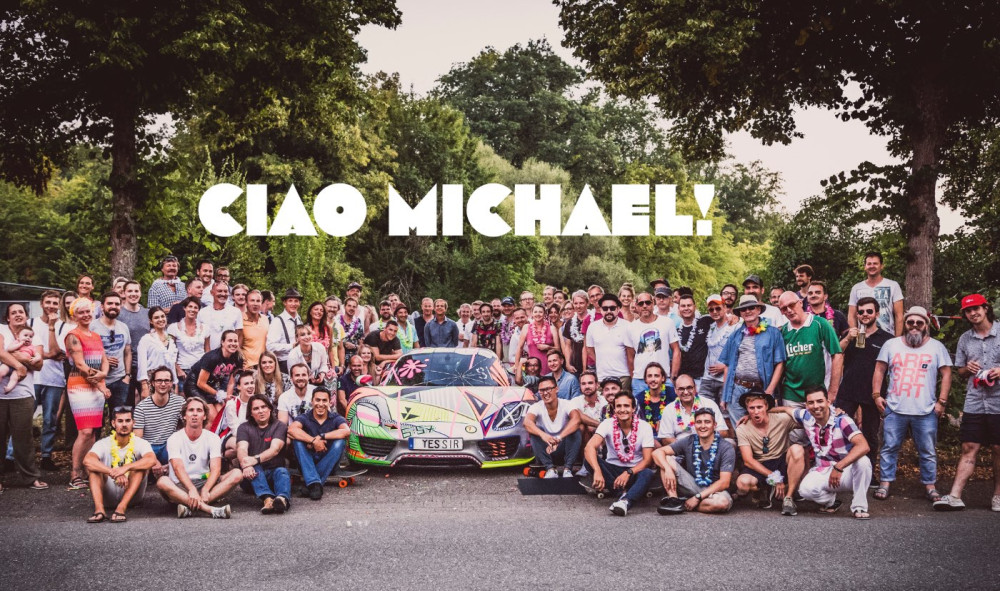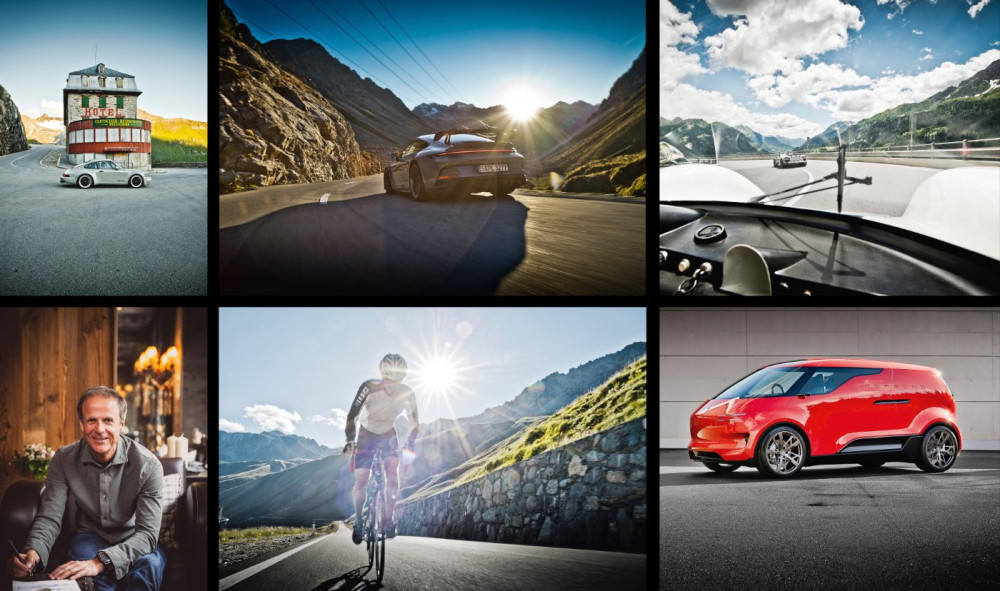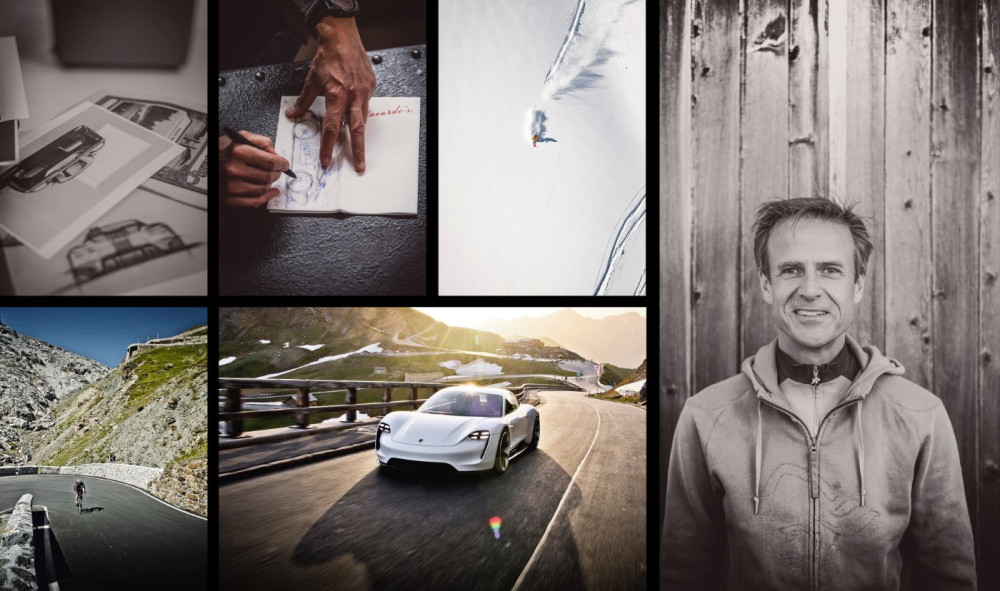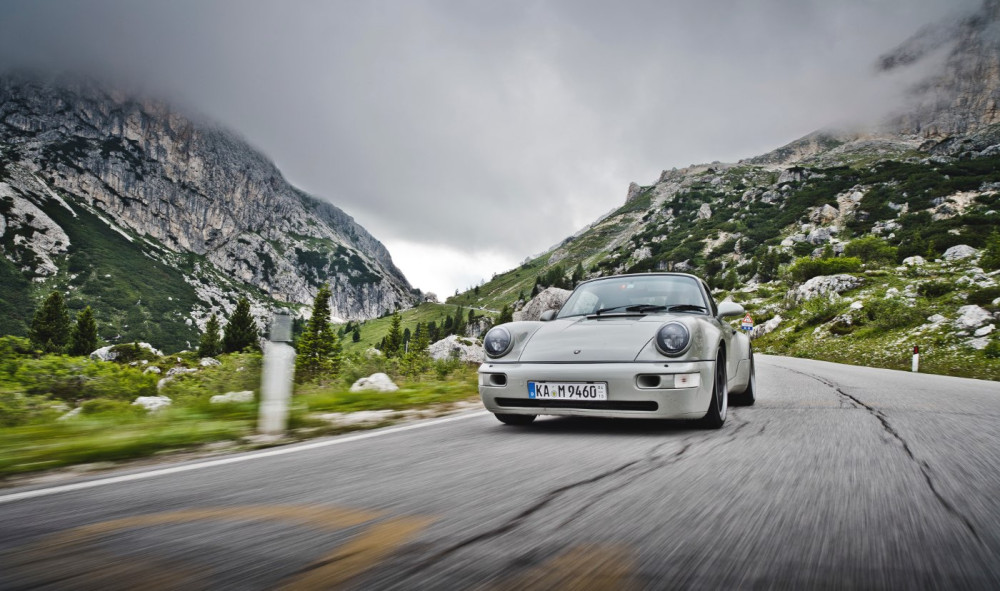


For 20 years, Michael Mauer shaped Porsche design as Head of Style, developing the brand’s automotive heritage with great sensitivity while repeatedly opening up new realms of possibility. One of Germany’s most influential car designers—who, in a parallel role, was also responsible for the design language of the Volkswagen empire—never put himself at center stage, preferring instead to let the designs speak for themselves. A farewell and expression of gratitude by Stefan Bogner and Jan Baedeker.
When Michael Mauer took over the leadership of Porsche’s style studio in 2004, he became only the fourth design chief in the brand’s history—following Ferdinand Alexander Porsche, Anatol Lapine, and Harm Lagaay. After many years of advancing the design language of Mercedes-Benz, Smart, and Saab, his most demanding task now lay ahead at Porsche: reinterpreting the great icon, the 911; developing a new brand design; and steering the model range toward electromobility. “Continuity is a key aspect of Porsche’s corporate philosophy,” Michael once told us in conversation. “As a luxury brand, Porsche thrives not on constantly reinventing things, but on continuously refining what is good. Consistency is part of a strong brand identity.” On a personal level, too, there seemed to be a natural fit from the very beginning between the Swabian traditional company Porsche and the designer with roots in the Black Forest. Michael laughs: “Otherwise Dr. Wolfgang Porsche or Ferdinand Piëch would have pulled the plug on me pretty quickly at the start of my work.”
Under his leadership, the iconic silhouette of the 911 was carefully modernized, while Porsche’s unmistakable design DNA was successfully transferred to new model lines. The Panamera bore Mauer’s signature just as clearly—characterized, especially in times of razor-sharp edges and ostentatious ornamentation, by a calm, organic elegance—as did the Macan. The fact that Porsche is still a family-owned company lent the task a very particular dimension: “It’s naturally a special situation to explain in a presentation to a chairman of the supervisory board who bears the name Porsche why you are convinced that a new model, despite significant visual changes, is still a true Porsche,” Michael says. “That was something I had to get used to myself. At the same time, family dynasties think long term; they don’t follow every trend. This is reflected in Porsche’s values and its evolutionary design culture—and ultimately supports good, timeless design.”
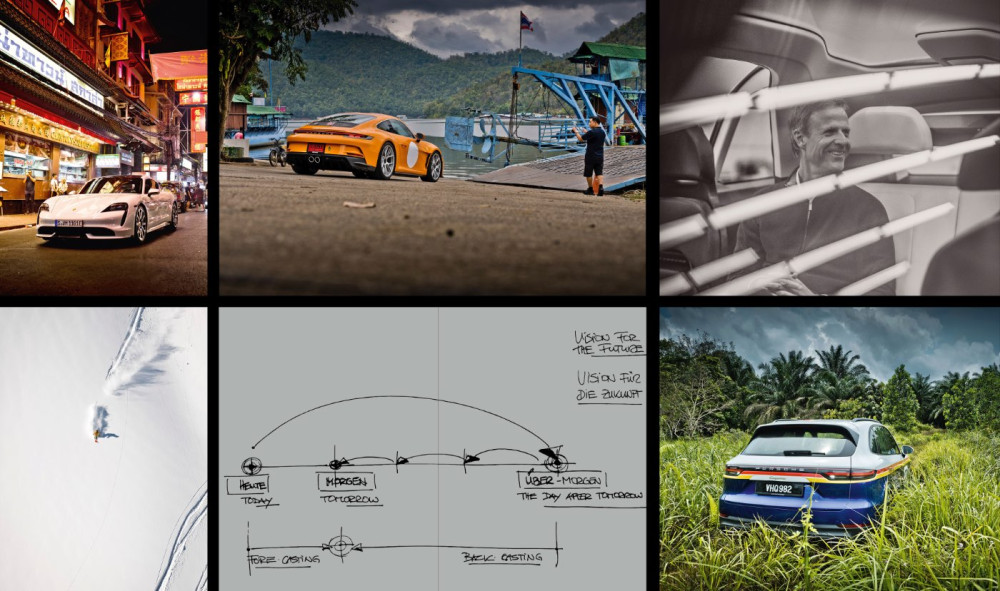
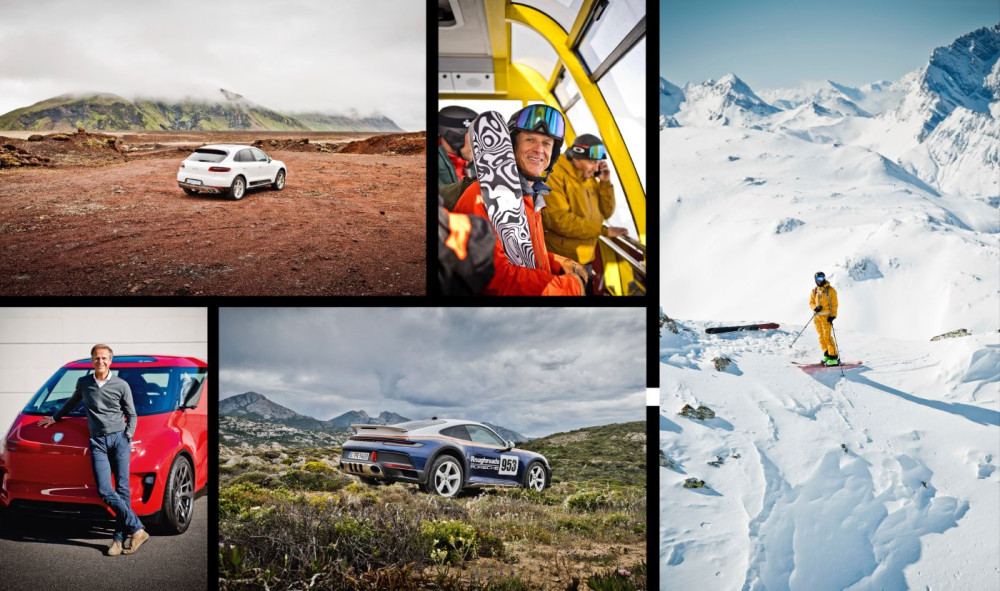
During our work on Porsche Unseen, which we were fortunate to develop together in the secret development studios in Weissach, we came to know Michael not only as a great designer—certainly willing to argue passionately about matters of form, with a clear aesthetic line—but also as an eloquent rhetorician and visionary thinker with philosophical clarity about the broader entrepreneurial and societal context. That despite this ability to grasp, honor, and simultaneously reinvent the Porsche brand in its entirety he never tended toward arrogance, but rather toward a deeply likable groundedness, made him one of the most pleasant conversational partners in the automotive world. And the fact that he did not spend his few free hours “rubbing shoulders” with the automotive and design elite, but instead preferred to explore the mountain landscapes of his adopted Swiss home alone on touring skis, speaks for itself.
As design chief, Michael Mauer succeeded in professionalizing, digitizing, and streamlining the studio’s workflows, noticeably raising design quality and creating spaces for future research in which new, experimental ideas could be explored and later carried over into series production. He did not see design as mere “cosmetic enhancement” of the engineers’ technical concepts, but rather as a holistic discipline. “I advocated involving the design department from the very beginning in the conception of new products,” Michael once told us. “At the same time, designers have a holistic view of things: through their work, they define brand identity—and are therefore of great strategic importance for the further development of the customer experience.” The design principles and brand values defined at Porsche with regard to its history could thus also offer guidance to other areas of the company. “Especially when it comes to breaking new ground. They guide us in the right direction like a compass—but do not restrict our freedom of movement like a navigation system that dictates an exact route based on calculations.”
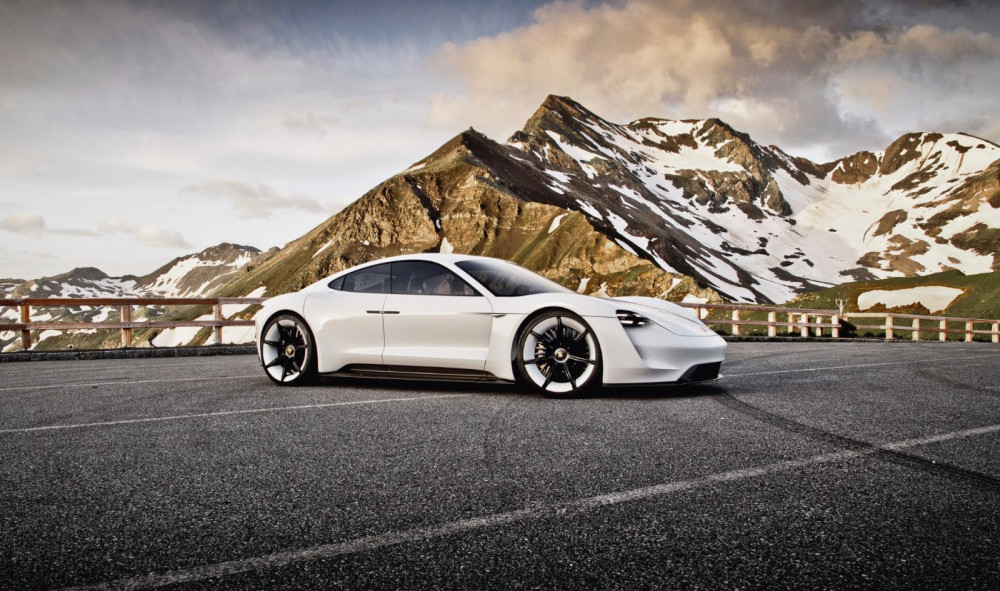
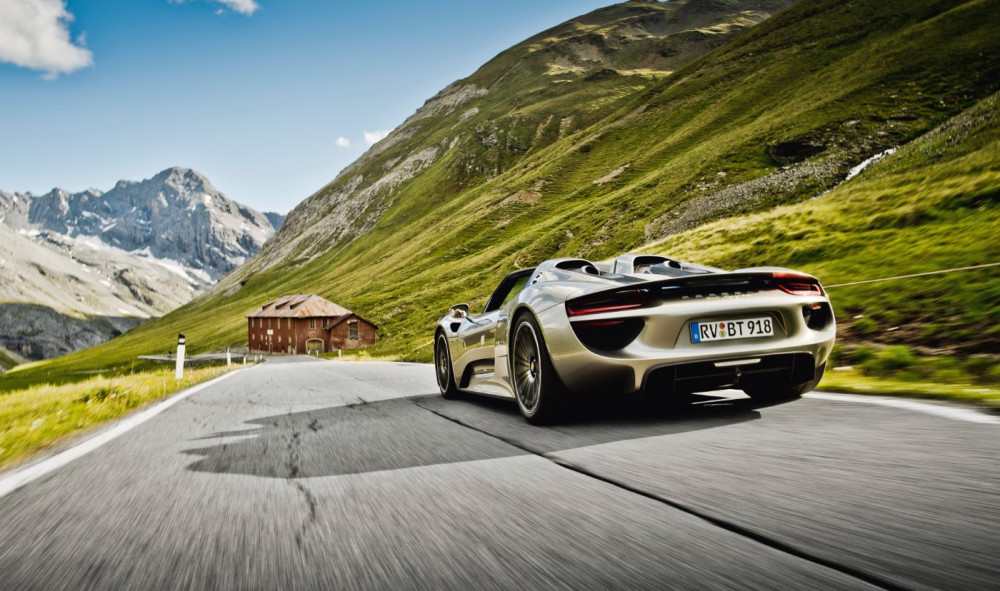
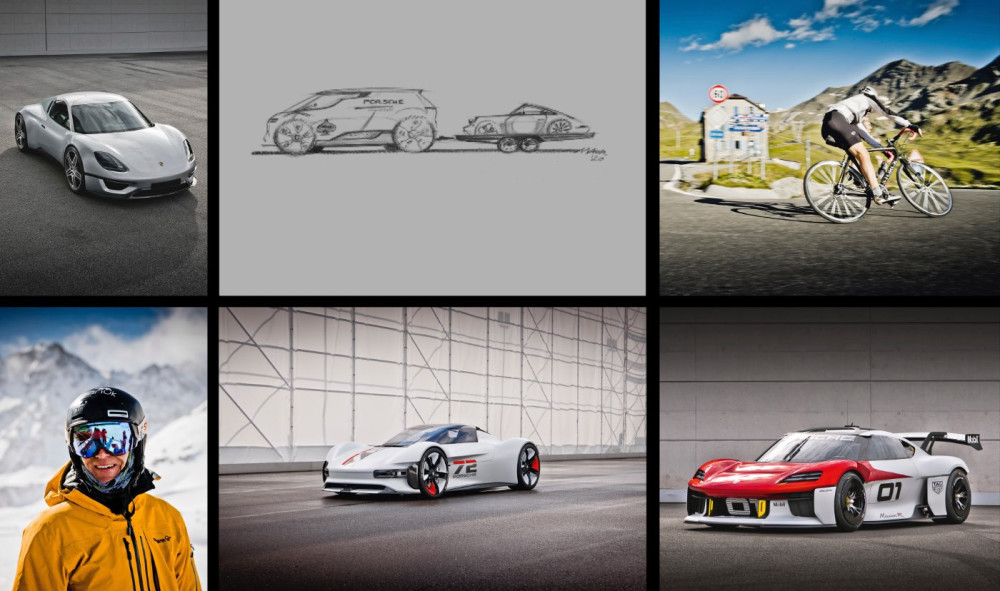
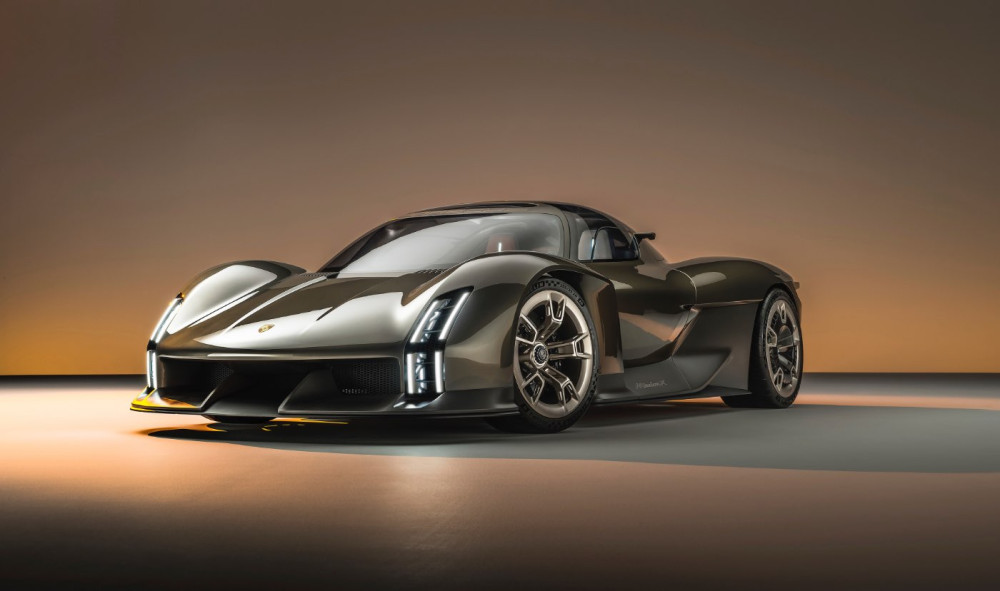
Weissach as the Silicon Valley of the automotive industry—that was Michael Mauer’s vision. As the head of thousands of creative designers, he also repeatedly managed to step back himself and filter out the truly good ideas from his teams. Sometimes it was coincidences and misunderstandings that led to the best results—circumstances the design chief readily acknowledged. Michael Mauer was particularly proud of the Taycan, the first Macan, and the Porsche 911 of the 991 generation. With the Porsche 918 Spyder and the Mission X, he gifted Porsche history with two groundbreaking super sports cars, each with a character all its own.
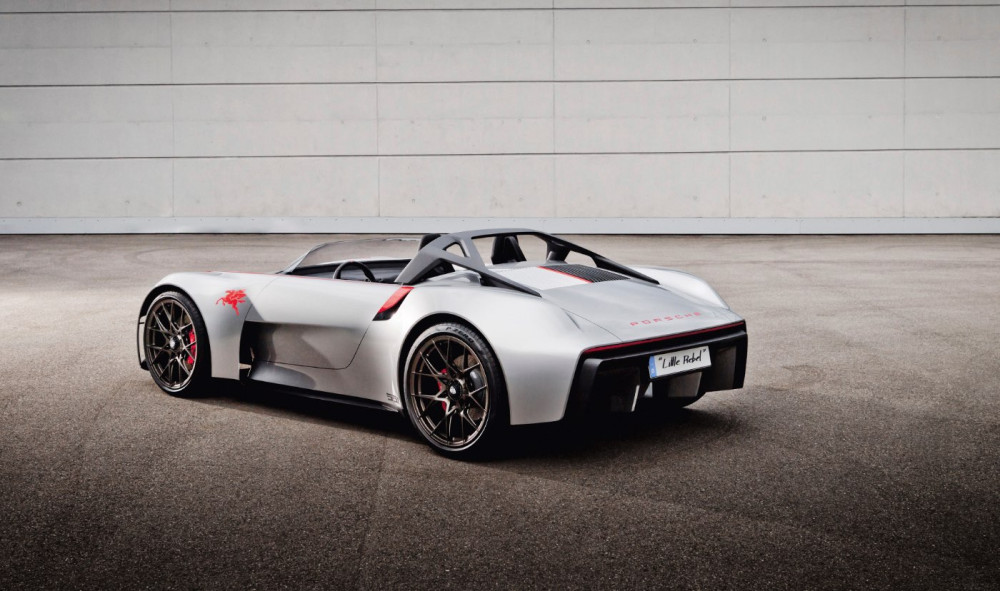
At the same time, his heart always beat for especially purist and lightweight models—the 900-kilogram Porsche 904 Living Legend with its one-liter engine, or the Porsche Vision 551 Spyder inspired by James Dean’s “Little Bastard” and the Porsche 550-1500 RS Spyder, which Michael Mauer would surely have loved to park in his own garage. Yet he also pursued new, unconventional ideas with persistence, even when they initially met resistance within the group. When the van concept “Renndienst” was created in 2018, the sporty space miracle with its modular travel cabin seemed like a fever dream to many traditionalists. Today, the extravagant bus appears to be the logical next step for the Porsche brand.
As the fourth design chief in Porsche’s history, Michael Mauer decisively shaped the company and its products during an important era and helped write its success story. From February, Tobias Sühlmann will take over his role. “Timeless design needs continuity, but also fresh impulses,” says Michael Mauer. “Now is the right moment for new perspectives.” But can a restless creative mind and automotive visionary like Michael Mauer really lay down his pencil and retire after two decades at the helm of Porsche and Volkswagen? Knowing Michael, he will not spend his well-earned retirement sitting by the stove, but will continue to shape the visual world with his ideas—while also carving a few perfect lines into the Swiss powder snow on his touring skis, or unleashing his Porsches on the world. Grazie for the wonderful hours with you, Michael!